



2

lasik surgery for astigmatism

lasik eye surgery for astigmatism

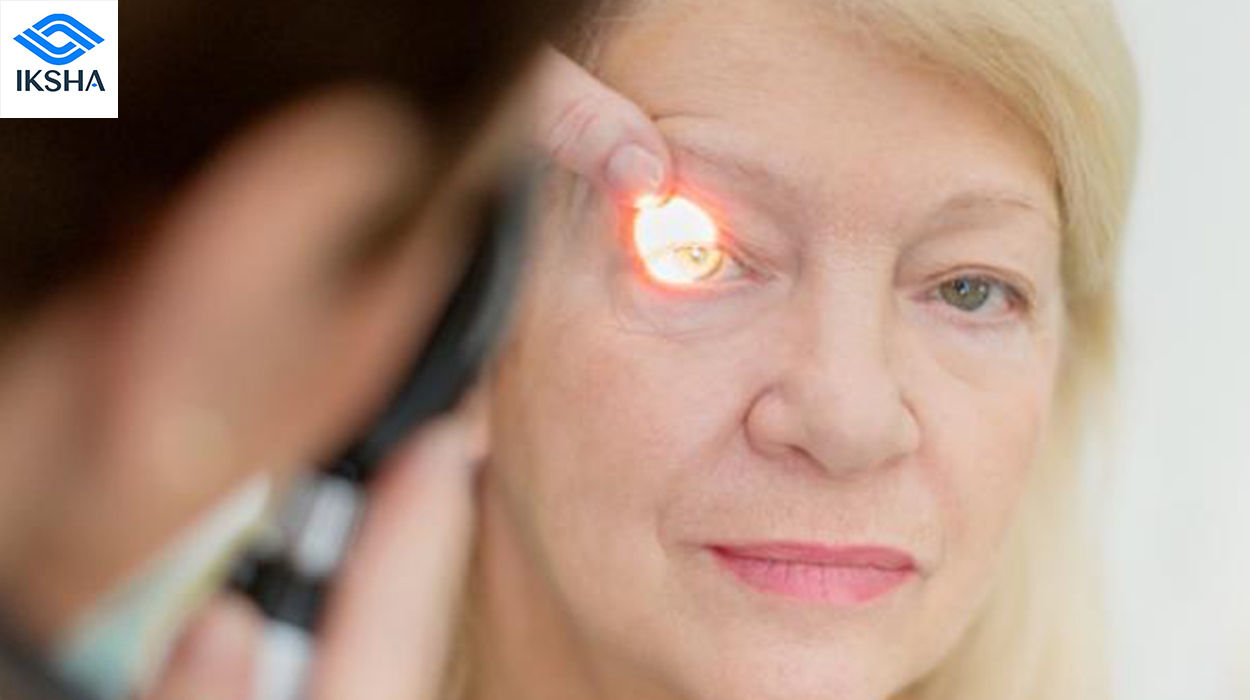
How to Manage Pain and Discomfort During LASIK Treatment: Top Tips and Tricks

lasik for astigmatism

Undergoing LASIK (Laser-Assisted in Situ Keratomileusis) treatment can be a crucial step towards achieving a clear vision without the need for glasses or contact lenses. However, it’s natural to have concerns about pain and discomfort during the procedure. While this treatment  is relatively safe and efficient, there are some tips and tricks you can follow to help manage any potential discomfort and make your experience as smooth as possible. In this blog, we will discuss effective strategies to alleviate pain and discomfort during LASIK treatment.

Choose a Skilled and Experienced Surgeon

Selecting a highly skilled and experienced LASIK surgeon is essential to minimize discomfort during the procedure. A reputable surgeon will possess the expertise and knowledge to ensure a smooth and comfortable surgery experience. Do a thorough research, read reviews, and consider personal recommendations to find a surgeon with a proven track record of successful LASIK surgeries.

LASIK surgeon

Understand the LASIK Procedure

Educate yourself about the procedure to gain a clear understanding of what to expect. Knowing the steps involved and being aware of the sensations you may experience, can help you alleviate anxiety and discomfort. Consult your surgeon and ask questions to ensure you have a comprehensive understanding of the process.

Consult your surgeon

Follow Preoperative Instructions

Your LASIK surgeon will provide you with preoperative instructions to follow before the treatment. These instructions may include avoiding certain medications, wearing comfortable clothing, and abstaining from wearing contact lenses for a specific period. Adhering to these guidelines will help ensure a smooth procedure and reduce the chances of experiencing unnecessary discomfort.

Utilize Numbing Eye Drops

During the LASIK procedure, numbing eye drops are typically used to minimize pain and discomfort. These drops numb the surface of the eye, making the treatment more tolerable. Follow your surgeon’s instructions on the usage of these drops, as they play a vital role in ensuring your comfort during the procedure.

 Practice Relaxation Techniques

Prior to the LASIK treatment, practicing relaxation techniques can help ease anxiety and promote a sense of calmness. Deep breathing exercises, meditation, and visualization techniques can be effective in reducing stress and discomfort. Engaging in these relaxation techniques before and during the procedure can significantly enhance your overall experience.

Communicate with Your Surgeon

Consult your surgeon

Maintaining open communication with your LASIK surgeon is crucial throughout the treatment. Discuss any concerns or questions you have and inform your surgeon about any discomfort you experience during the procedure. Your surgeon can provide additional measures to ensure your comfort and well-being.

 LASIK treatment can be a life-changing experience, but it’s important to address concerns regarding pain and discomfort. By following these top tips and tricks, you can effectively manage any potential discomfort during the procedure and enhance your LASIK experience. Remember to consult with your surgeon, practice relaxation techniques, and adhere to the given instructions to ensure a successful and comfortable LASIK treatment.
How to Choose the Right LASIK Treatment for You: A Step-by-Step Guide.

choosing the right eye surgery

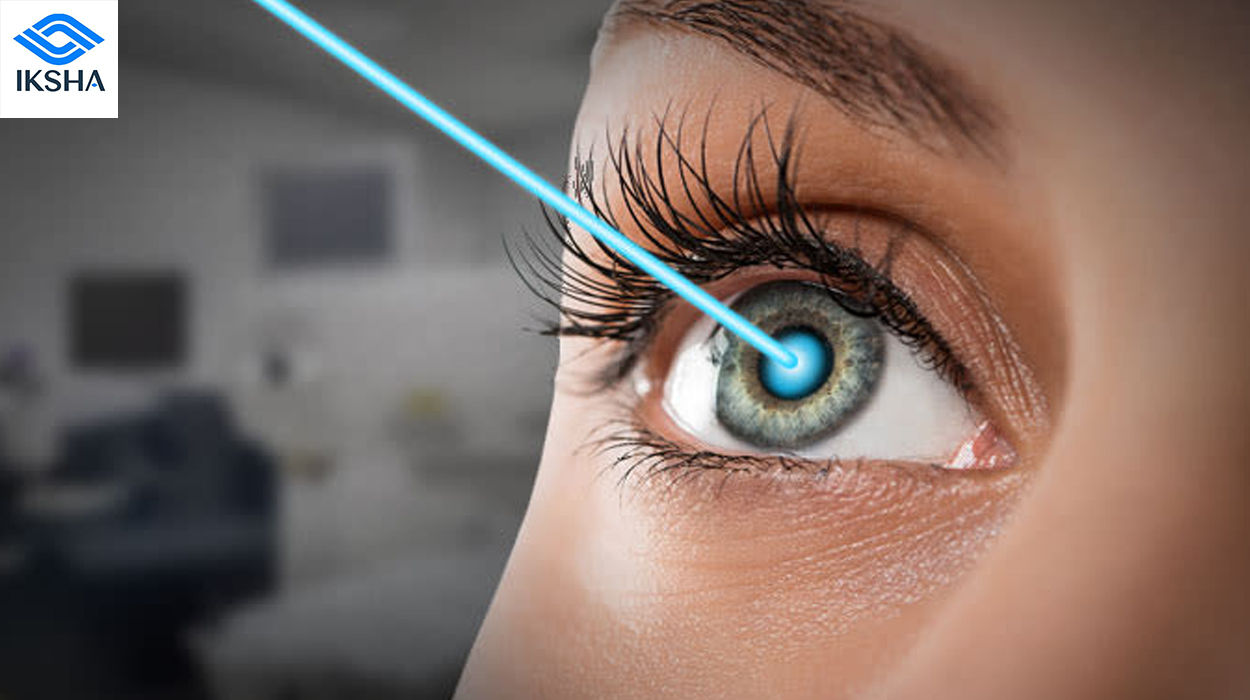
LASIK (Laser-Assisted In Situ Keratomileusis)  is a popular refractive surgery that uses a laser to reshape the cornea, correcting vision problems such as near-sightedness, farsightedness, and astigmatism. With its precise and effective results, LASIK offers many individuals the opportunity to reduce their dependence on glasses or contact lenses and enjoy improved vision.

LASIK has become a popular and effective vision correction procedure for individuals seeking freedom from glasses or contact lenses. However, choosing the right LASIK treatment can be a critical decision that requires careful consideration. In this comprehensive step-by-step guide, we will walk you through the essential factors to consider when selecting the right LASIK treatment for your specific needs, ensuring a successful and satisfying outcome.

Step 1: Research and Gather Information

Start your journey by learning more about LASIK surgery. Learn about the treatment, its advantages, and any possible hazards. Research renowned LASIK surgery centers and eye doctors. To learn more about prior patient’s experiences, read their evaluations and testimonies. This introductory investigation will assist you in gaining a fundamental comprehension and in making future choices.

Step 2: Consultation and Evaluation

Schedule an appointment to see a skilled LASIK surgeon. The surgeon will evaluate your general eye health and go through your expectations during this examination. This stage is essential because it gives you the chance to express your concerns, ask questions, and determine whether LASIK is a good option for your vision correction requirements.

Step 3: Expertise and Experience

Choose a LASIK surgeon with extensive expertise and experience. Look for certifications, accreditations, and memberships in professional organizations. A skilled surgeon with a proven track record is more likely to deliver optimal results. Consider the surgeon’s reputation and the clinic’s success rate in performing LASIK procedures. Don’t hesitate to ask about their years of experience, the number of procedures they have performed, and any additional qualifications or specialized training they possess.

Step 4: Technology and Equipment

Inquire about the technology and equipment used for LASIK procedures. The clinic should have state-of-the-art equipment, such as advanced laser systems and diagnostic tools, ensuring accurate measurements and precise surgical outcomes. Ask about the specific laser technology employed, such as Femtosecond lasers or Wavefront-guided LASIK, as these advancements can enhance the precision and safety of the procedure.

Step 5: Customization and Personalization

Consider LASIK treatments that offer customization and personalization. Everyone’s eyes are unique, and personalized LASIK treatments can address individual vision issues more effectively. Look for clinics that offer Wavefront-guided or Wavefront-optimized LASIK, as these techniques utilize detailed measurements of your eye’s imperfections to tailor the treatment specifically to your visual needs, maximizing visual outcomes and reducing the risk of complications.

Step 6: Safety Measures and Post-Operative Care

Discuss safety measures and post-operative care protocols with your LASIK surgeon. Inquire about the clinic’s infection control procedures, sterilization techniques, and adherence to strict hygiene standards. Understand the recovery process, including any restrictions, follow-up appointments, and potential complications. A reputable clinic will provide detailed post-operative instructions and offer ongoing support and monitoring to ensure a smooth recovery and successful outcome.

Step 7: Cost and Financing Options

Consider the cost of LASIK treatment and evaluate your financing options. While price should not be the sole determining factor, it is essential to understand the cost structure, including preoperative evaluations, the surgery itself, and post-operative care. Inquire about any available insurance coverage or financing plans that can make surgery more affordable. Remember to weigh the potential long-term savings on glasses or contact lenses against the upfront cost of LASIK. 

It has the potential to transform your life by providing clear, unaided vision, reducing dependence on glasses or contact lenses, and improving your overall quality of life. However, it is important to approach the process with careful consideration, ensuring that you choose a reputable clinic and an experienced surgeon who will prioritize your safety and satisfaction. 

Keep in mind that LASIK is a surgical procedure, and like any surgery, it carries potential risks and complications. However, with proper research, expert guidance, and adherence to post-operative care instructions, most patients achieve excellent visual outcomes and experience improved vision without the need for corrective eyewear. 

Ultimately, the goal of LASIK is to provide you with clear, comfortable vision and the freedom to enjoy life without the hassle of glasses or contact lenses. By following this step-by-step guide and considering the essential factors, you can embark on your LASIK journey with confidence and look forward to a brighter, more visually liberated future.

The Future of Cataract Surgery: What’s on the Horizon?

modern cataract surgery

Cataract surgery has come a long way since its inception, with significant advancements in technology and surgical techniques. As the world population continues to age, the prevalence of cataracts is increasing, creating a pressing need for innovative approaches to improve patient outcomes and quality of life. In this blog, we will explore the future of cataract surgery and the exciting developments that are on the horizon.

  • Laser-Assisted Cataract Surgery

Laser-assisted cataract surgery (LACS) has already gained popularity in recent years and is expected to become even more prevalent in the future. LACS utilizes femtosecond lasers to perform key steps of the cataract surgery, such as corneal incisions, anterior capsulotomy, and lens fragmentation. This technology offers precise and reproducible results, potentially reducing complications and improving refractive outcomes. As the technology evolves, we can anticipate advancements in laser systems, further enhancing the safety and efficacy of cataract surgery.

Laser-assisted cataract surgery

  • Artificial Intelligence and Robotics

Artificial intelligence (AI) and robotics are revolutionizing various fields of medicine, and cataract surgery is no exception. AI algorithms can assist in preoperative planning, predicting intraoperative complications, and postoperative management. By analyzing patient data and surgical outcomes, AI can help surgeons make informed decisions and personalize treatment plans for optimal results. Additionally, robotic systems may become more prominent, aiding surgeons in performing delicate maneuvers with enhanced precision and stability, ultimately improving surgical outcomes and patient safety.

Artificial intelligence (AI)

  • Advanced Intraocular Lenses

Intraocular lenses (IOLs) are artificial lenses implanted during cataract surgery to replace the clouded natural lens. Currently, monofocal IOLs are the most commonly used, providing good distance vision but often requiring glasses for near tasks. However, advanced multifocal and accommodating IOLs are emerging as exciting alternatives. Multifocal IOLs offer patients the potential for clear vision at various distances, reducing the need for glasses. Accommodating IOLs are designed to mimic the eye’s natural focusing mechanism, allowing for improved near and distance vision. As research and development progress, we can expect more sophisticated IOL designs that optimize vision quality and patient satisfaction.

Intraocular lenses (IOLs)

  • Non-Invasive Treatment Options

While cataract surgery is highly effective, some individuals may not be suitable candidates due to certain medical conditions or advanced age. Therefore, the development of non-invasive treatment options for cataracts is an area of active research. Non-surgical interventions, such as pharmacological agents or targeted therapies, may slow down or prevent cataract progression, delaying or even eliminating the need for surgery. Although these treatments are still in the experimental stages, they hold great promise for the future, potentially providing alternatives to surgical intervention.


  • Enhanced Postoperative Recovery

Postoperative recovery after cataract surgery has already improved significantly, with most patients experiencing minimal discomfort and quick visual rehabilitation. However, ongoing efforts are focused on further enhancing postoperative recovery. This includes the development of new medications and technologies to reduce inflammation, accelerate corneal wound healing, and optimize visual outcomes. Additionally, telemedicine and remote monitoring systems may play a crucial role in postoperative care, allowing patients to receive follow-up consultations and monitoring from the comfort of their homes.

The Future of Cataract Surgery: 

The future of cataract surgery is filled with exciting prospects, driven by advancements in technology, surgical techniques, and medical research. Laser-assisted cataract surgery, AI-assisted decision-making, and robotic systems will likely become more prevalent, improving surgical precision and patient outcomes. Advanced intraocular lenses offer the potential for personalized vision correction, while non-invasive treatments may provide alternatives to surgery. Enhanced postoperative recovery strategies and remote monitoring systems will further optimize patient care and convenience.

As the field of ophthalmology continues to advance, collaboration between surgeons, engineers, and researchers will be crucial in pushing the boundaries of cataract surgery. Clinical trials and long-term studies will help validate the safety and efficacy of emerging technologies and techniques, ensuring that patients receive the best possible care.

However, it’s important to note that with any technological advancements, there may be challenges and ethical considerations to address. Affordability and accessibility of these innovative treatments should be a priority to ensure that all patients, regardless of their economic background, can benefit from these advancements.

In conclusion, the future of cataract surgery is promising, with ongoing developments that aim to improve patient outcomes, enhance visual quality, and streamline the surgical process. Laser-assisted surgery, artificial intelligence, advanced intraocular lenses, non-invasive treatments, and enhanced postoperative recovery strategies are just a glimpse of what’s on the horizon. By embracing these advancements and fostering collaboration, we can look forward to a future where cataract surgery becomes even more precise, personalized, and patient-centric, ultimately improving the quality of life for millions of individuals worldwide.

How to choose the right Intraocular lens for your cataract surgery

intra lens

Cataract surgery offers the opportunity to restore clear vision and improve the quality of life. One crucial decision you’ll face during this process is choosing the right intraocular lens (IOL) that will replace your natural lens. This blog aims to guide you through the factors to consider and provide insights to help you make an informed choice for optimal postoperative visual outcomes.

  •  Understanding Intraocular Lenses

During cataract surgery, artificial lenses called intraocular lenses (IOLs) are inserted to replace the clouded natural lens. IOLs are available in a variety of varieties, each created to meet a particular visual requirement. Mono-focal and premium multifocal or accommodating lenses are the two main classifications. While premium lenses have the potential for a wider range of vision, unlike mono-focal lenses, which only allow clear vision at one distance, they also need less wear of glasses or contact lenses.

Mono-focal and premium multifocal

  •  Consider Your Lifestyle and Visual Needs

The first step in selecting the best IOL is to take your lifestyle and visual needs into account. Your ophthalmologist will choose the best IOL for you after talking with you about your daily routine, interests, and employment requirements. Premium multifocal or accommodating lenses can be worth taking into consideration if you lead an active lifestyle or want to wear glasses as little as possible. However, your ophthalmologist may suggest a different type of lens if you have unique visual demands, such as using a computer frequently or driving at night, to improve your visual results.

  •  Understand the Pros and Cons

Every IOL type has benefits and drawbacks. Reading glasses may still be necessary for close-up work even when mono-focal lenses provide great vision at a defined distance, often distant vision. There is a chance for a wider range of vision, including close, mid, and distant vision, with premium multifocal or accommodating lenses. But some people could see glare, haloes, or decreased contrast sensitivity when using these glasses. You must thoroughly explore the benefits and drawbacks of each IOL type with your ophthalmologist considering your particular situation and expectations.

  • Discuss with Your Ophthalmologist

The knowledge of your ophthalmologist is crucial for selecting the best IOL. They will examine your eyes, gauge the severity of the cataract, and consider things like corneal health, ocular dominance, and pre-existing eye problems. They will offer personalized recommendations catered to your requirements based on this assessment. Ask questions, voice any concerns you may have, and make sure you comprehend the advantages and potential drawbacks of each IOL.

  • Advanced Technology IOLs and Cost Considerations

There are high-tech IOLs available in addition to mono-focal and premium multifocal/accommodating lenses. Toric lenses for astigmatism correction and extended depth of focus (EDOF) lenses with a wider field of vision are examples of these. For those with certain vision requirements, these specialized lenses might be helpful. It’s crucial to remember, nevertheless, that compared to conventional mono-focal lenses, advanced technology IOLs could be more expensive. With your ophthalmologist, go through the financial issue and take insurance or other payment possibilities into consideration.

mono-focal lenses

  •   Understanding Your Eye’s Health and Measurements

To determine the most appropriate IOL for your eyes, your ophthalmologist will perform a thorough evaluation. This typically includes measuring the length and shape of your eye, evaluating the corneal curvature, and assessing the health of your retina and optic nerve. These measurements and assessments help in selecting the right power and design of the IOL to optimize visual outcomes. Trust in the expertise of your ophthalmologist and ensure that they have access to accurate and up-to-date measurements to enhance the precision of the lens selection process.

  • Postoperative Expectations and Follow-up Care

Understanding the expected outcomes and postoperative care is essential. After cataract surgery, there will be an adjustment period for your eyes to adapt to the new IOL. Your ophthalmologist will provide guidance on activities to avoid during the healing phase and prescribe eye drops for proper healing and prevention of infection. Regular follow-up visits will be scheduled to monitor your progress and address any concerns. Open communication with your ophthalmologist throughout the healing process is crucial to ensure the best possible visual outcome and overall satisfaction with your chosen IOL.

postoperative care

Making the best intraocular lens choice is a crucial choice that may significantly affect your eyesight and way of life. You may confidently make a decision that is in line with your visual needs and preferences by considering a variety of factors, talking with your ophthalmologist, and learning the advantages and limits of various IOL solutions. Keep in mind that cataract surgery will leave you with clear eyesight, and the correct IOL can make the journey even more pleasant.

What to Expect During Your Cataract Surgery Consultation

cataract surgery consultant

When it comes to cataract surgery, understanding what to expect during the consultation is crucial. This initial appointment allows you to discuss your concerns, ask questions, and gather necessary information. In this blog, we will delve into the key aspects of a cataract surgery consultation and help you prepare for this important step towards regaining a clear vision.

Cataract surgery is a common procedure that involves removing the cloudy lens of the eye and replacing it with an artificial intraocular lens (IOL). Before scheduling your surgery, your ophthalmologist will conduct a comprehensive consultation to assess your eye health, determine the severity of the cataract, and discuss your options.

Here’s what you can expect during your cataract surgery consultation:

  • Eye Examination:

ophthalmologist

The ophthalmologist will begin the consultation by performing a comprehensive eye examination. This may include a visual acuity test, a measurement of intraocular pressure, and a detailed assessment of your eye’s structure and health. These evaluations help your doctor understand the extent of the cataract and any other existing eye conditions that may impact the surgery or recovery process.

eye's structure and health

  • Medical history record: 

The Ophthalmologist will ask you about your medical history during the consultation, including any past eye operations, current medical problems, allergies, and drugs you are taking. To provide the safest and most productive surgical experience, it is crucial to submit accurate and comprehensive information.

  • Understanding the Pros & Cons: 

Ophthalmologists will take the time to go through the pros, cons, and techniques of cataract surgery. They will go through the many kinds of intraocular lenses that are available and assist you in selecting the one that best meets your eyesight requirements. To make sure you are knowledgeable and at ease with the impending treatment, you will have the chance to ask questions and address any concerns you might have.

Before cataract surgery, your ophthalmologist will provide specific instructions to prepare you for the procedure. These instructions may include dietary restrictions, discontinuation of certain medications, and guidelines for eye drop usage. You may also be advised to arrange transportation for the day of surgery, as your vision may be temporarily affected.

  • Cataract Surgery Consultation: 

clearer vision

Your cataract surgery consultation is an essential step towards achieving clearer vision. By understanding what to expect during this appointment, you can actively participate in the decision-making process and prepare yourself for a successful surgery. Remember to ask questions, share any concerns, and follow the guidance provided by your ophthalmologist. Together, you and your doctor can pave the way for improved vision and a brighter future.

  • Understanding the Anaesthesia options

During your cataract surgery consultation, you can also expect to discuss the different types of anesthesia options available. Your ophthalmologist will explain whether you will receive local anesthesia to numb the eye or general anesthesia to put you to sleep during the procedure. They will consider factors such as your overall health, personal preferences, and the complexity of your case to determine the most suitable anesthesia approach.

In addition to discussing the surgical process, your ophthalmologist will address the potential risks and complications associated with cataract surgery.

  •  While the procedure is generally safe and successful, it’s important to be aware of possible side effects such as infection, bleeding, or swelling. 
  • Your doctor will provide detailed information about these risks, as well as the measures they take to minimize them.
  • If you have any specific lifestyle or visual goals, such as reducing dependency on glasses or correcting astigmatism, your consultation is the perfect opportunity to discuss these with your ophthalmologist. 
  • They can guide you through the available options, such as choosing a specific type of intraocular lens that can address your specific needs.

Lastly, your cataract surgery consultation will typically involve discussing the recovery process. Your ophthalmologist will explain what to expect in terms of post-operative care, including the use of prescribed eye drops, the need to wear a protective eye shield, and any activity restrictions during the initial healing period. They will also provide an estimated timeline for when you can expect to resume normal activities and achieve optimal visual outcomes.

Remember, your cataract surgery consultation is a valuable chance to establish a good rapport with your ophthalmologist and ensure that you have a clear understanding of the procedure. Take this opportunity to voice any concerns, clarify doubts, and gather all the necessary information. By actively participating in the consultation, you can make informed decisions about your eye health and contribute to a successful cataract surgery experience.

Top 10 Signs Your Child Needs Spectacles

signs child needs glasses

As a parent, it’s crucial to be aware of the signs that your child may need glasses. Vision problems can significantly impact your child’s ability to learn and navigate their world, and early detection and intervention are key to ensuring they have the support they need to thrive. In this blog, we’ll delve into each sign in more detail, so you can better understand what to look for and what to do next.

Squinting

Squinting is one of the most common signs that your child may need glasses. If you notice that your child is squinting or closing one eye to see things better, it may indicate that they’re having trouble seeing clearly. Squinting can temporarily improve vision by narrowing the aperture of the eye, which reduces the amount of light entering the eye, and thus can make it easier to see.

Sitting Too Close to the TV or Computer

sitting too close to the TV

If your child is consistently sitting too close to the TV or computer screen, it may be a sign that they’re struggling to see what’s on the screen from a distance. Sitting too close can cause eye strain and fatigue, leading to headaches and difficulty focusing.

Frequent Headaches

Headaches can be a sign of many different things, but if your child is experiencing frequent headaches, it may be due to eye strain from struggling to see clearly. Eye strain can cause particularly noticeable headaches in the forehead or temple region.

Tilted Head or Covering One Eye

If your child tilts their head or covers one eye to see things better, it’s a sign that they’re having trouble seeing out of that eye. Covering one eye can reduce the amount of visual information the brain has to process, making it easier to see clearly.

Eye Rubbing

If your child is frequently rubbing their eyes, it may be a sign of eye strain or fatigue from struggling to see clearly. Eye rubbing can further exacerbate eye strain and can even cause eye infections if hands are not clean.

rubbing eyes

Holding Books or Objects Too Close

If your child is holding books or other objects too close to their face, it may be a sign that they’re having trouble seeing from a distance. This can be particularly noticeable when reading or doing other close-up activities.

Clumsiness

Vision problems can also affect your child’s coordination and balance, leading to clumsiness or poor motor skills. This can be especially noticeable when your child plays sports or engages in other physical activities.

Sensitivity to Light

If your child is sensitive to light or frequently squints in bright light, it may be a sign that they have an underlying vision problem. Light sensitivity can cause discomfort and make it difficult to perform everyday tasks in bright environments.

Struggling to Read or Write

If your child is having difficulty reading or writing, it may be due to vision problems that make it hard for them to see the letters or words clearly. This can lead to frustration and difficulty keeping up with their peers in school.

difficulty reading

Lack of Interest in Visual Activities

If your child seems disinterested in visual activities like reading, drawing, or watching movies, it may be due to difficulty seeing or a fear of failure. This can lead to a lack of engagement in school and social activities, which can impact their overall development.

If you notice any of these signs in your child, it’s important to schedule an appointment with an best optometrist or ophthalmologist to have their vision evaluated. Early detection and treatment of vision problems can significantly improve your child’s quality of life and help them succeed in school and beyond. Don’t hesitate to advocate for your child’s eye health – their vision is too important to ignore.

Dry Eyes: Symptoms, Causes and Treatment

dry eyes

Dry eyes are a common condition that affects millions of people worldwide. The condition occurs when the eyes lack lubrication and moisture, leading to discomfort, redness, and other symptoms. 

Symptoms of Dry Eyes

The symptoms of dry eyes can vary from person to person. However, the most common symptoms of dry eyes include:

  • Dryness and discomfort in the eyes: This is the most common symptom of dry eyes. You may experience a feeling of grittiness, burning, itching, or a sensation of something being in your eyes.
  • Redness and irritation: Dry eyes can cause the whites of your eyes to become red and inflamed. Your eyes may also feel sore and irritated.
  • Burning or stinging sensation in the eyes: Dry eyes can cause a burning or stinging sensation in the eyes, which can be quite uncomfortable.
  • Blurred vision: Dry eyes can cause your vision to become blurred, making it difficult to see clearly.
  • Sensitivity to light: If you have dry eyes, you may be more sensitive to light than usual. Bright lights or sunlight may cause discomfort or pain.
  • Difficulty wearing contact lenses: If you wear contact lenses, dry eyes can make it difficult to wear them comfortably. Your lenses may feel uncomfortable and not stay in place properly.
  • Eye fatigue: Dry eyes can cause eye fatigue, which can make it difficult to concentrate or perform visually demanding tasks.
  • Excessive tearing: Paradoxically, dry eyes can cause your eyes to produce excess tears as a reflex response to the dryness, which can lead to tearing and further discomfort.

Causes of Dry Eyes

Several factors can contribute to the development of dry eyes. The most common causes of dry eyes include:

  • Aging: As we age, the production of tears decreases, leading to dry eyes.
  • Environmental factors: Exposure to dry and windy environments, air conditioning, and smoke can cause dry eyes.
  • Medical conditions: Certain medical conditions like rheumatoid arthritis, lupus, diabetes, and thyroid disorders can cause dry eyes.
  • Medications: Some medications like antihistamines, decongestants, antidepressants, and birth control pills can cause dry eyes.
  • Hormonal changes: Hormonal changes during pregnancy, menopause, and menstruation can cause dry eyes.

Treatment for Dry Eyes

The treatment for dry eyes depends on the underlying cause and severity of the condition. Some of the common treatment options include:

  • Artificial tears: Over-the-counter artificial tears can help lubricate the eyes and provide relief from dryness and discomfort.
  • Prescription eye drops: In more severe cases, prescription eye drops that increase tear production or reduce inflammation may be recommended.
  • Punctal plugs: These are small devices that are placed in the tear ducts to block tear drainage, thus increasing the amount of moisture in the eyes.
  • Lifestyle changes: Simple changes like taking frequent breaks while using a computer, using a humidifier, and avoiding exposure to dry environments can help reduce the symptoms of dry eyes.

Surgery: In severe cases, surgery may be recommended to block tear drainage or to correct underlying structural problems.

In conclusion, dry eyes are a common condition that can cause discomfort and irritation. If you are experiencing symptoms of dry eyes, it is important to consult an eye doctor who can help determine the underlying cause and recommend appropriate treatment options. With the right treatment and lifestyle changes, most people with dry eyes can find relief from their symptoms.

Is LASIK safe for me? Is LASIK painless?

is lasik safe

Lifestyle of the Current Era

For many people, glasses change how they look, so they prefer to wear contact lenses. As lenses are not a permanent solution with added risk due to overwear, people opt for a permanent treatment like LASIK surgery. But LASIK is not for everybody.

We have met many people who think of getting this surgery to experience spectacle-free clear vision but avoid it due to multiple uncleared doubts.

Here, we would try to clear a few safety-related common doubts which can make the decision making easy for patients.

Introduction of LASIK Surgery

In 1999, LASIK surgery was approved by the FDA (Food and Drug Administration) as one of the safest options to get rid of glasses with a success rate of 99.5%! It treats astigmatism (cylindrical power), nearsightedness(Minus power called Myopia) and farsightedness (Plus power called Hyperopia).

Before LASIK surgery, your eye surgeon will assess detailed measurements of the eye and will check the overall health of the eye. After thorough evaluation, your eye surgeon will sit with you and explain the best options in your case.  On the day of the surgery, inside the LASIK suite, you will lie down on the operating table and the surgeon will put eye drops to numb the eye making it a complete painless experience for you. During the 5 minutes, you will be looking at a green light (for fixation) and the surgeon will perform the LASIK surgery. After the surgery, you will wear protective glasses and go back home! That’s it! During the first 7 days of the surgery, you will not touch your eye for a healthy healing of the eye.

Is LASIK safe for me?

  • LASIK is one of the most studied elective surgical procedures available today.
  • Based on the research into and clinical experience with LASIK, the rate of complications from LASIK eye surgery is estimated to be well below 1 %!
  • According to the most recent clinical data, more than 96 % of patients report being satisfied with the outcome of their procedure.
  • More than 7,000 peer-reviewed published studies confirm the procedure is both safe and effective.
  • Recent analysis of studies comparing rates of infection between contact lens use and LASIK found that one year of using extended wear of soft contact lenses led to 3 times as many cases of microbial keratitis as LASIK.
  • As a point for reference, the U.S. Food and Drug Administration threshold for safety is less than 5 percent, confirming LASIK far surpasses the standard for safety.
  • In fact, LASIK has never been the primary, exclusive cause of blindness.
  • NASA’s highly advanced tracking system which is used to automate the docking of satellites to the Space Shuttle is used by the LASIK laser platform to track your eye movements.
  • The sophistication of the laser tracking system that follows the eye throughout the procedure will temporarily turn off the laser if it detects sudden, significant movement – like a cough or a sneeze.  Once the patient is safely repositioned under the laser, the procedure can resume.
  • CONTOURA (topography-guided LASIK) has made it possible for patients to see better than they have ever seen in their entire life.

The recommended guidelines to make your LASIK surgery as safe as possible –

  • Compare your options. Researching each eye surgeon’s experience and technology is crucial to the success of your surgery.
  • Avoid making a choice based solely on cost. Some options are cheaper because of lack of surgeon experience or the use of outdated technology.
  • Choose a center that will assure you trust and commitment.

Effective Treatment Destination

You can book your appointment with specialists at Iksha Eye Care for LASIK treatment if you are looking for one of the best LASIK treatments in Mumbai. Our hospital is equipped with the latest technology and experienced doctors, efficiently serving multiple patients and treating eye-related problems. Here, you can connect with the Best LASIK surgeons in Mumbai for advanced treatment. To understand more about LASIK surgery, you can book an appointment today.

How to treat misaligned eyes/squint?

Many people believe that if a person develops or is born with a squint, it is permanent. Also, there is a false assumption that squinting eye in children needs no evaluation till they are grown up.

To break a few myths in India, it is important to first understand facts about squint and consequences when left untreated. The general incidence rate of strabismus, or squint, is between 4% and 6%. However, premature new-borns have an incidence rate of 30% to 40%.

What is a Squinting eye?

To keep your eyes straight brain eye coordination is required. There are nerve fibres connecting brain centres with eye muscles which send signals to move eyes in different directions. Squint can arise due to either neurological (defect in connecting nerve fibres) or local cause (defect in eye muscles).

There are types of squints you must know about & what they are known as:

Types of Squint Eyes:

– An eye that turns inwards is called Esotropia.

– An eye that turns outwards is called an Exotropia.

– An eye that turns upwards is called a Hypertropia.

– An eye that turns downwards is called Hypotropia.

Before treatment, there are two significant subjects to understand.

– The age group of the person having a squint

– What are the symptoms of squint?

Childhood Squint

In children, squint is easily noticeable. It can be present since birth. In some situations, it resolves by 6 months but if it persist, it’s always advisable to seek medical help from a child eye care specialist known as Paediatric Ophthalmologist. During child’s developmental period, the eye and brain co-ordination develops during the first 8 years of life and it leads to full vision development. Misalignment of eyes prevents this brain-eye co-ordination as the image in misaligned eye is not falling on its corresponding point on the retina. With time, the child may stop using this eye and if left untreated, may lead to lazy eye (Amblyopia) i.e vision cannot reach 100% even after spectacle use or any other treatment. After 8 years of age, once full eye brain coordination develops it’s difficult to achieve full vision even with various treatment modalities.

Adult Squint Eyes

Some adults, or even older adults, develop squints due to medical problems such as thyroid, diabetes, head trauma, stroke, etc. But it is curable by non-surgical treatments and surgical modalities.

Symptoms of squint

In general it’s difficult for children to understand symptoms. They might complain of frequent headaches, blurring of vision and intolerance to light. Signs are more important than symptoms in children. You might notice abnormal head posture like face turn to specific side or head tilt while watching television or while reading.

If you notice sudden onset of squint in your child, please consult paediatric ophthalmologist immediately.

Adults can complain of double vision, tilting of objects, headache and even limitation of eye movements depending upon type and onset of squint.

Treatment for Squint

NON SURGICAL– This includes various types of vision therapy. It’s not necessary that squint can be corrected only surgically. Depending upon the type of squint and age of presentation, paediatric ophthalmologist can help you with type of eye exercises (both office based and home based) and achieve better control of squint. There are various types of exercises depending upon the type of squint. Few of them are Pencil Push up exercises, Brock String and Barrel Cards.

Prism Eyeglasses: It is used for short-term purpose. Prism glasses are thin press-on vinyl stickers that can be added on both the front & back surface of your normal powered glasses.

Surgery: When other methods do not give beneficial results, surgery could be an option. Squint surgery involved changing position of eye muscles. There are total 6 eye muscles in each eye which are attached on white part of eyes. As parents, we usually get anxious or get panicked if surgery is advised for a child below 8 years. But, as the child needs straight eyes for normal and full vision development, your consulting pediatric ophthalmologist may advise surgery for the benefit of the child.  Delaying surgery despite of paediatric ophthalmologist advice might not restore vision and will give only cosmetic results.

Conclusion

Squinting of eye is a condition that can be cured with various methods. Be more vigilant and prompt in consulting your paediatric ophthalmologist if your child is having squint as it can lead to lazy eye if not treated timely especially below 8 years of age. But the right treatment under experts is now possible in Mumbai. Iksha Eye Care has a team of the best paediatric ophthalmologists in Mumbai to treat squint eyes. We have a team of doctors who are well-experienced and passionate about serving every child as we believe that ‘every child is special’

Book an appointment with our squint specialists in Mumbai today.

What is a Lazy Eye?

A lazy eye is when vision in one eye or both eyes does not develop appropriately. In medical terms, it is called Amblyopia. This interferes with development of finer visual functions like appreciating contrast and depth perception.

Lazy eye usually develops in early years of life; if identified correctly, it can be treated. It happens because one or both eyes cannot build a solid link to the brain, making one eye or both eyes weak and subsequently ‘lazy’ to carry out its main function i.e vision. The brain favors the better eye allowing the weaker eye to get worse with time.

Symptoms of lazy eye are:

– Trouble telling how near or far away an object or person is

– Squinting or shutting one eye

– Head tilting

– Bump into things on a particular side

– Favor one side of the body

Who can have a lazy eye?

Children with

  • Uncorrected refractive error
  • Squint (misaligned eyes)
  • Any other cause obscuring or obstructing the light to enter in eyes like cataract

What happens if lazy eye is left untreated?

Uncorrected Refractive Errors:

In case, child is having glasses and he or she is not wearing it, especially if numbers are high or number is in one eye only, image on the retina (visual membrane) will be blurred. The first 8 years of life is very crucial for vision development. Blurred image causes a weak eye-brain coordination and thus unable to attain vision fully. Thus, the eye’s potential vision may not be achieved and hence locked at a certain percentage of vision. As a result of which, even if the corrective glasses are prescribed at a later age, the vision might not achieve the 100% mark.

Thus, it’s essential to get your child screened at 6 months, 1 year, preschool (3 years) , preprimary ( 5 years) and then annually, even if the child is not complaining of any vision problems.

Strabismus:

Lazy eyes can cause squint and squint can cause lazy eyes.

Cataract

Children can be born with cataract or can develop cataract at a later age. This prevents the light to fully enter inside the eyes and fall on its back part called as the retina (visual membrane). This affects the eye-brain coordination. It is a myth that children should not undergo cataract removal at an early age. Early removal of cataract can help the outside light to fully reach the back part of the eye after entering the eye and can result in better vision development.

Multiple questions may be there about the lazy eye that can be resolved. Please consult an experienced and certified Child Eye Care specialist known as Pediatric Ophthalmologist for proper diagnosis and treatment.

Can one Treat Lazy Eye?   

Treatment is possible if the lazy eye has been noticed in early childhood. Glasses, eye drops, exercise, contact lenses, eye patches, or vision therapy can help to improve the eyesight and function of both eyes.

Can we treat lazy eye in adulthood?

With latest advances in technology, if lazy eye is not treated in childhood, we still have a hope to treat it in adulthood.

Trial of patching and recent software based exercises might help us to achieve better vision. Both office based and home based therapies are available. For further queries, please consult your Pediatric Ophthalmologist.

When you are the one who is looking for proper treatment for impaired eye issues in your beloved child, Iksha Eye Care superpeciality eye hospital situated conveniently at Andheri, Mumbai, is one of the top-rated finest eye hospitals providing the latest equipment and technology for all child eye care treatments. Iksha Eye Care hospital is known for one of the best squint surgery in Mumbai. Iksha Eye Care consists of an experienced team who understands the needs and moods of a child and is headed by Dr Pooja Ghodke, one of the best Pediatric Ophthalmologist in Mumbai. Today we are treating numerous patients to help them see the world clearly under the guidance of Dr. Ghodke, who founded the hospital in 2020 to provide best-in-class eye treatment under one roof and at an affordable cost. If you are looking for an expert for your kid, connect instantly for a check-up & know everything about lazy eye.

Get 100% Cashless Facility for Eye Care Surgery

Focus on your vision - We take care of the bills.

quality is not only said its documented

Iksha Eye Care, Andheri

+91-9321489919/ +91-9137474357/ 022-26360707

Iksha Eye Care, Santacruz

+91-8591981919/ +91-9137125052/ 022-31778419