








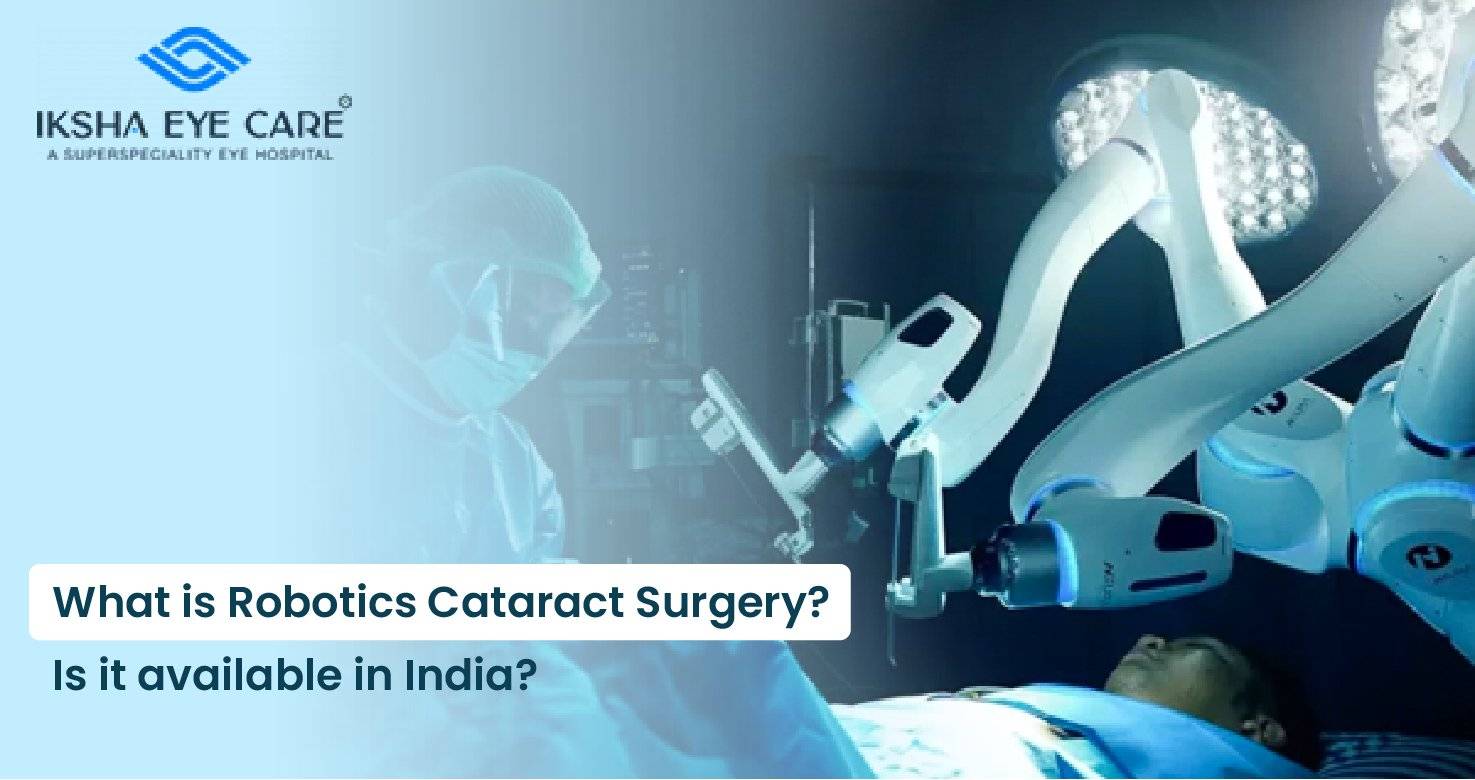
Quick Answer
Robotic cataract surgery is an advanced form of cataract treatment that combines robotic guidance, artificial intelligence, image-based planning, and surgeon-controlled precision to assist during key stages of cataract surgery. While robotic-assisted cataract surgery is gaining attention globally, its availability remains limited. One of the most notable developments in this field is the Polaris robotic platform, which has introduced a new level of precision and automation in cataract procedures.
Introduction
Cataract surgery is one of the most commonly performed and successful surgical procedures worldwide. Over the years, cataract treatment has evolved significantly—from larger incision techniques to modern phacoemulsification (phaco surgery) and laser-assisted procedures. Today, the latest advancement generating interest among ophthalmologists and patients is robotic cataract surgery.
The concept of robotic assistance in eye surgery represents a major step forward in surgical precision. By combining advanced imaging, robotic guidance, and surgeon expertise, robotic systems aim to improve consistency and accuracy during delicate surgical steps.
Interest in robotic cataract surgery increased significantly after Dr. Uday Devgan, a renowned cataract surgeon in the United States, performed one of the first robotic cataract procedures using the Polaris platform. This milestone highlighted the potential role of robotics in the future of ophthalmology.
As patients increasingly search for safer and more advanced treatment options, many are asking whether robotic cataract surgery is available in India and how it compares with existing cataract surgery techniques.
What Is Robotic Cataract Surgery?
Robotic cataract surgery refers to cataract procedures performed with the assistance of a robotic platform designed specifically for ophthalmic surgery. Unlike conventional surgery, where all movements are manually controlled by the surgeon, robotic systems provide enhanced guidance and precision during critical surgical steps.
The surgeon remains fully in control throughout the procedure. The robotic platform acts as an advanced surgical assistant by helping improve accuracy and consistency.
Modern robotic systems use:
- High-resolution imaging
- Real-time eye tracking
- Advanced surgical planning
- Precision-guided instrumentation
- AI-supported workflow integration
The goal is not to replace the surgeon but to enhance surgical precision while maintaining complete surgeon oversight.
The Polaris Robotic Cataract Surgery System
One of the most discussed innovations in robotic cataract surgery is the Polaris system.
Polaris was developed to bring robotic precision into cataract surgery by assisting surgeons with key surgical maneuvers. The platform integrates imaging technology, robotic controls, and advanced planning capabilities to support highly precise surgical execution.
A significant milestone for the technology occurred when Dr. Uday Devgan in the United States performed one of the world’s first robotic cataract surgeries using the Polaris platform. This achievement demonstrated how robotic assistance could potentially enhance the future of cataract treatment.
The system is designed to support accuracy during critical stages of surgery while allowing the surgeon to remain actively involved throughout the procedure.
How Is Robotic Cataract Surgery Different from Laser Cataract Surgery?
Patients often confuse robotic cataract surgery with laser-assisted cataract surgery, but the two technologies are fundamentally different.
Laser-assisted cataract surgery uses a femtosecond laser to perform specific parts of the procedure, such as creating corneal incisions, opening the lens capsule, and fragmenting the cataract before removal.
Robotic cataract surgery, on the other hand, involves a robotic platform that assists the surgeon with real-time precision and control during various stages of the operation. Rather than simply using a laser to automate certain steps, robotic systems provide guidance, stability, imaging integration, and enhanced surgical accuracy.
In simple terms, laser-assisted surgery focuses on automating selected procedural steps using laser technology, while robotic cataract surgery introduces an advanced robotic interface that supports the surgeon throughout the procedure.
How Is Robotic Cataract Surgery Different from Phaco Surgery?
Many patients compare robotic cataract surgery with conventional phacoemulsification (phaco surgery), which remains the most widely performed cataract procedure globally.
In phaco surgery, the surgeon manually operates specialized instruments to create incisions, access the cataract, break it into tiny fragments using ultrasound energy, and implant the intraocular lens.
Robotic cataract surgery builds upon this foundation by introducing robotic assistance, image-guided planning, and enhanced precision controls. While phaco surgery relies heavily on the surgeon’s manual skills and experience, robotic systems are designed to improve consistency and support precise execution of surgical movements.
It is important to understand that robotic cataract surgery is not replacing phaco technology. Instead, it represents an evolution of cataract surgery that combines modern robotics with established cataract treatment principles.
Is Robotic Cataract Surgery Available in India?
Robotic cataract surgery remains a relatively new development in ophthalmology. While awareness is growing, widespread adoption is still in its early stages compared to conventional phaco and laser-assisted cataract surgery.
India is recognized globally for adopting advanced ophthalmic technologies and has consistently been at the forefront of cataract surgery innovation. As robotic cataract platforms continue to evolve and regulatory approvals expand, interest among eye surgeons and institutions is expected to increase.
Patients seeking advanced cataract treatment should consult experienced cataract specialists to understand the latest available technologies and determine which approach is most suitable for their individual eye condition.
Potential Benefits of Robotic Cataract Surgery
The growing interest in robotic cataract surgery is driven by several potential advantages.
These may include:
- Enhanced surgical precision
- Improved consistency
- Advanced imaging integration
- Greater control during delicate procedures
- Reduced variability in critical surgical steps
- Support for complex cataract cases
As the technology continues to evolve, further clinical research and long-term outcomes will help define its future role in cataract treatment.
Who May Benefit from Advanced Cataract Surgery Technologies?
Not every cataract patient requires the latest technology. The most appropriate treatment depends on several factors, including:
- Cataract density
- Corneal health
- Retinal condition
- Visual requirements
- Lifestyle needs
- Existing eye disorders
An experienced cataract surgeon evaluates these factors before recommending a treatment approach.
Whether using conventional phaco surgery, laser-assisted techniques, or emerging robotic technologies, the primary goal remains the same: restoring vision safely and effectively.
The Future of Robotic Cataract Surgery
Robotics has already transformed multiple surgical specialties, including orthopedics, urology, and general surgery. Ophthalmology is now beginning to explore similar advancements.
The successful use of platforms such as Polaris demonstrates that robotic assistance may become an important part of future cataract surgery. As technology advances, robotic systems could help improve precision, standardization, and surgical outcomes even further.
While widespread availability may take time, robotic cataract surgery represents an exciting development in the ongoing evolution of vision correction and cataract care.
Conclusion
Robotic cataract surgery represents one of the newest advancements in ophthalmology, combining surgeon expertise with robotic precision and advanced imaging technology. The introduction of the Polaris platform and pioneering procedures performed by Dr. Uday Devgan have highlighted the potential of robotics in cataract treatment. While conventional phaco surgery and laser-assisted cataract surgery continue to be highly effective and widely used, robotic systems may play an increasingly important role in the future of eye care. As technology continues to evolve, patients can expect further innovations aimed at enhancing precision, safety, and visual outcomes in cataract surgery.
FAQs
Q1. What is robotic cataract surgery?
Robotic cataract surgery is an advanced cataract treatment approach that combines robotic assistance, imaging technology, and surgeon-controlled precision during the procedure.
Q2. Who performed the first robotic cataract surgery?
One of the earliest robotic cataract surgeries using the Polaris platform was performed by renowned cataract surgeon Dr. Uday Devgan in the United States.
Q3. How is robotic cataract surgery different from laser cataract surgery?
Laser-assisted cataract surgery uses a femtosecond laser for specific surgical steps, while robotic cataract surgery utilizes robotic guidance and precision control throughout the procedure.
Q4. How is robotic cataract surgery different from phaco surgery?
Phaco surgery uses ultrasound technology and manual surgical techniques, whereas robotic cataract surgery incorporates robotic assistance and advanced imaging to enhance precision.
Q5. Is robotic cataract surgery available in India?
Robotic cataract surgery is an emerging technology, and availability may vary. Patients should consult qualified eye specialists to learn about the latest treatment options available.