








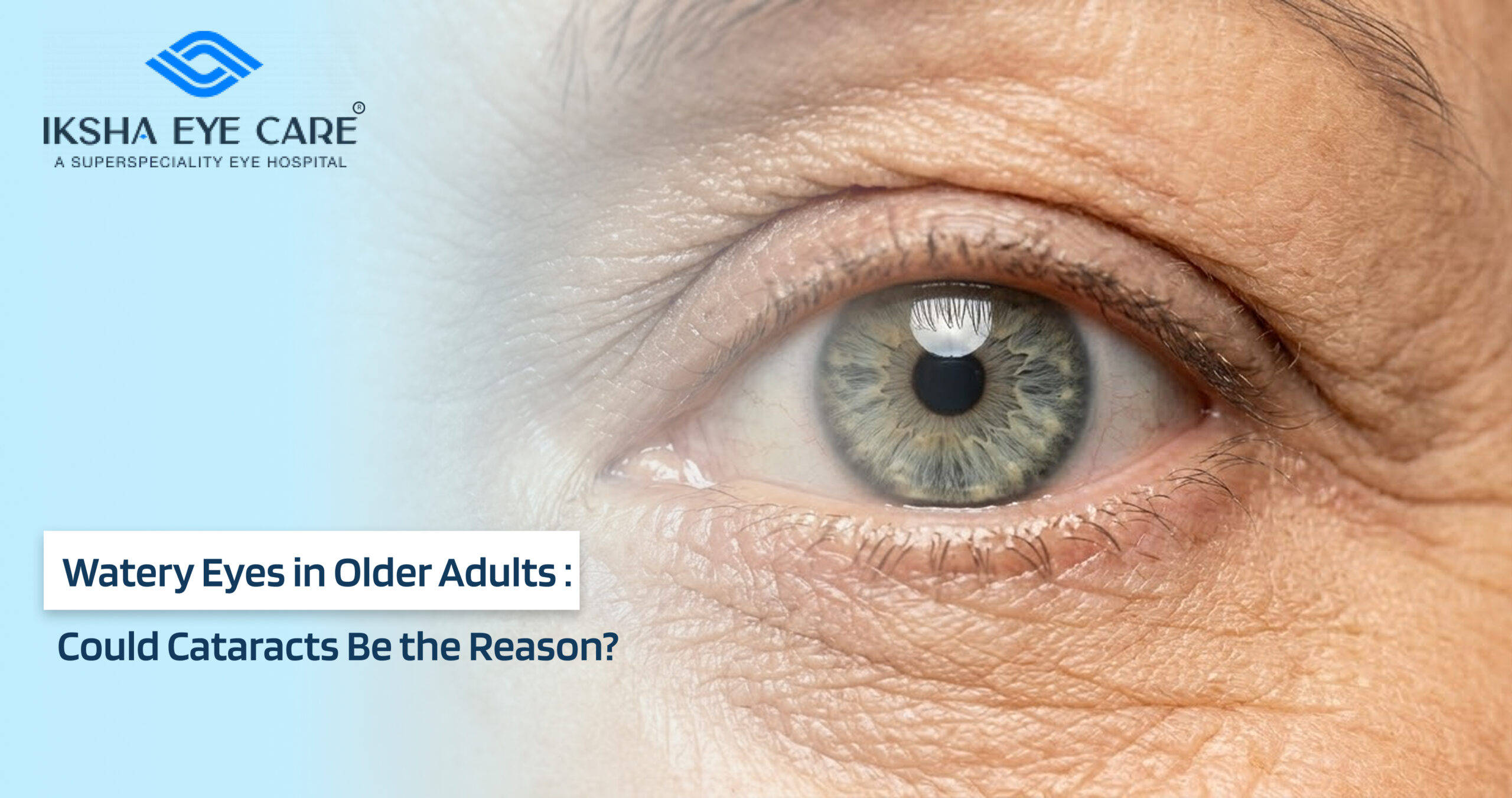
Watery eyes in older adults can be caused by multiple factors, including dry eyes, infections, blocked tear ducts, and cataracts. While cataracts primarily affect vision clarity, they can also lead to eye irritation and reflex tearing. A proper eye examination is essential to determine the exact cause and appropriate treatment.
Understanding Watery Eyes in Older Adults
Watery eyes, medically known as epiphora, are a common concern among aging individuals. Many assume that excessive tearing is simply a sign of aging, but in reality, it often indicates underlying eye conditions that require attention.
We observe that older adults frequently experience watery eyes due to:
- Dry eye syndrome
- Blocked tear drainage system
- Eye infections or inflammation
- Eyelid position issues
- Age-related eye conditions like cataracts
Among these, cataracts are often overlooked as a contributing factor.
What Are Cataracts and How Do They Affect the Eyes?
A cataract is the clouding of the natural lens of the eye, leading to blurred or dim vision. It is one of the most common age-related eye conditions.
Common symptoms include:
- Blurry or cloudy vision
- Sensitivity to light
- Difficulty seeing at night
- Faded or yellowish colors
- Frequent changes in glasses prescription
While cataracts are primarily associated with vision problems, they can also indirectly contribute to eye irritation and excessive tearing.
Can Cataracts Cause Watery Eyes?
The Connection Between Cataracts and Excessive Tearing
Cataracts do not directly produce tears, but they can trigger conditions that lead to watery eyes.
We see this happening due to:
1. Eye Irritation and Sensitivity
As cataracts develop, they can increase light sensitivity and glare, causing discomfort. This irritation can stimulate the eyes to produce more tears as a protective response.
2. Reflex Tearing Due to Dry Eyes
Ironically, many older adults suffer from dry eyes, which leads to reflex tearing.
When the eye becomes dry:
- The brain signals the tear glands to produce more tears
- These tears are often of poor quality and do not lubricate properly
- This results in constant watering
Cataracts can worsen this cycle by increasing ocular surface stress.
3. Co-existing Age-Related Eye Conditions
Cataracts often occur alongside other conditions such as:
- Blepharitis
- Conjunctivitis
- Eyelid malposition
These can further contribute to excess tearing.
Other Common Causes of Watery Eyes in Seniors
It is important to evaluate all possible causes before linking watery eyes solely to cataracts.
Blocked Tear Ducts
Tears may not drain properly due to blockage, leading to overflow of tears.
Eyelid Problems
Conditions like entropion or ectropion affect how tears are distributed and drained.
Eye Infections or Allergies
Inflammation caused by infections can lead to increased tear production.
Environmental Factors
Exposure to dust, wind, or pollution can irritate the eyes and cause watering.
When Should You Be Concerned?
Watery eyes should not be ignored, especially when accompanied by:
- Blurred vision
- Eye pain or redness
- Sensitivity to light
- Difficulty reading or driving
- Frequent eye infections
These symptoms may indicate cataracts or other serious eye conditions that require immediate attention.
Diagnosis: Identifying the Real Cause
A comprehensive eye examination is essential to determine the exact cause of watery eyes.
At advanced eye care centers such as Iksha Eye Care, specialists typically perform:
- Vision testing
- Slit-lamp examination
- Tear drainage evaluation
- Retinal examination
This ensures accurate diagnosis and personalized treatment planning.
Treatment Options for Watery Eyes
1. Treating the Underlying Cause
The treatment depends entirely on the root issue:
- Lubricating drops for dry eyes
- Antibiotics for infections
- Minor procedures for blocked tear ducts
2. Cataract Surgery
If cataracts are contributing to the problem, cataract surgery becomes the most effective solution.
Modern cataract procedures are:
- Safe and minimally invasive
- Completed within a short duration
- Highly successful in restoring clear vision
We see that patients often experience reduced irritation and improved eye comfort after surgery.
3. Advanced Eye Care Solutions
Leading clinics provide:
- Advanced diagnostic technology
- Customized treatment plans
- Cashless insurance options
- Experienced ophthalmologists
These factors ensure a smooth and comfortable treatment journey.
How Cataract Surgery Improves Overall Eye Health
Cataract surgery not only improves vision but also helps:
- Reduce eye strain
- Improve light sensitivity
- Enhance overall eye comfort
- Minimize reflex tearing
Patients often report a significant improvement in daily quality of life after treatment.
Preventive Eye Care Tips for Older Adults
Maintaining eye health is essential to prevent complications.
We recommend:
- Regular eye check-ups
- Protecting eyes from UV exposure
- Managing screen time
- Maintaining proper hydration
- Following a balanced diet rich in eye-friendly nutrients
Early detection plays a crucial role in preventing vision-related complications.
Why Timely Eye Check-Ups Matter
Ignoring symptoms like watery eyes can delay diagnosis and treatment.
Routine eye examinations help:
- Detect cataracts early
- Identify other underlying conditions
- Prevent progression of eye diseases
- Maintain long-term vision health
Conclusion
Watery eyes in older adults may seem like a minor inconvenience, but they often signal underlying eye conditions that require attention. While cataracts are primarily known for affecting vision, they can also contribute to eye irritation and reflex tearing.
A timely consultation with experienced specialists ensures accurate diagnosis and effective treatment. With modern advancements in eye care, conditions like cataracts can be managed safely, restoring both clear vision and eye comfort.
FAQ
1. Do cataracts cause watery eyes?
Cataracts do not directly cause watery eyes, but they can lead to irritation and light sensitivity, which may trigger excessive tearing.
2. Why do older adults experience watery eyes?
Watery eyes in older adults can result from dry eyes, blocked tear ducts, infections, eyelid problems, or age-related conditions like cataracts.
3. How are watery eyes treated?
Treatment depends on the cause and may include eye drops, medications, minor procedures, or cataract surgery if required.
4. When should I see an eye specialist?
You should consult an eye specialist if watery eyes are persistent or accompanied by blurred vision, pain, redness, or sensitivity to light.
5. Can cataract surgery reduce watery eyes?
Yes, if cataracts are contributing to irritation, surgery can improve overall eye comfort and reduce reflex tearing.