



2

Young Professionals and Digital Eye Strain: When Is Cataract Surgery Actually Needed?

Quick Answer

Digital eye strain and cataracts are two different eye conditions. While young professionals increasingly experience eye fatigue, blurred vision, headaches, and dryness due to prolonged screen use, these symptoms do not typically require cataract surgery. Cataract surgery is recommended when the natural lens of the eye becomes cloudy and begins affecting daily activities and vision quality. Understanding the difference between digital eye strain and cataracts can help individuals seek the right treatment at the right time.

Introduction

Modern work culture has transformed the way people use their eyes. From laptops and smartphones to tablets and multiple-monitor workstations, young professionals spend countless hours focusing on digital screens. As a result, complaints related to eye discomfort have increased significantly over the past decade.

Many individuals experience symptoms such as tired eyes, blurred vision, headaches, watering eyes, neck pain, and difficulty focusing after extended screen use. These issues are commonly associated with Digital Eye Strain, also known as Computer Vision Syndrome.

At the same time, growing awareness of advanced eye treatments has led many people to search online for solutions to vision problems, including cataract surgery. This often raises an important question: can digital eye strain lead to cataracts, and why are more people discussing cataract surgery today?

The answer requires understanding the distinction between temporary screen-related symptoms and age-related lens changes that may require surgical intervention.

What Is Digital Eye Strain?

Digital eye strain refers to a group of vision and eye-related symptoms caused by prolonged use of digital devices. It has become increasingly common among professionals working in technology, finance, marketing, design, healthcare, and other screen-intensive industries.

Several factors contribute to digital eye strain:

  • Reduced blinking while using screens
  • Prolonged near focusing
  • Screen glare
  • Poor workstation ergonomics
  • Inadequate lighting
  • Uncorrected vision problems

Unlike cataracts, digital eye strain does not involve clouding of the eye’s natural lens. Instead, it results from visual fatigue and stress placed on the eyes during extended periods of screen use.

The condition is generally manageable through lifestyle adjustments, proper eye care, and regular vision examinations.

Common Symptoms of Digital Eye Strain

Young professionals frequently report symptoms that worsen after long hours of screen exposure.

Common signs include:

  • Eye fatigue
  • Dry eyes
  • Blurred vision
  • Burning sensation
  • Headaches
  • Difficulty focusing
  • Light sensitivity
  • Neck and shoulder discomfort
  • Watering eyes

Many of these symptoms improve after taking breaks, reducing screen time, or using appropriate corrective lenses.

However, when symptoms persist despite these measures, a comprehensive eye examination becomes important to rule out underlying eye conditions.

What Are Cataracts?

A cataract occurs when the eye’s natural lens becomes cloudy, reducing the amount of light reaching the retina. This clouding develops gradually and can significantly affect visual clarity over time.

Cataracts are most commonly associated with aging, although they can also occur due to:

  • Diabetes
  • Eye injuries
  • Long-term steroid use
  • Certain medical conditions
  • Genetic factors

Unlike digital eye strain, cataracts involve physical changes within the lens of the eye and cannot be reversed through exercises, medications, or screen adjustments.

When vision impairment becomes significant, cataract surgery is considered the most effective treatment.

Can Digital Eye Strain Cause Cataracts?

One of the most common misconceptions among patients is that prolonged screen use directly causes cataracts.

Current medical evidence does not support the idea that digital eye strain causes cataracts.

While excessive screen exposure may lead to temporary discomfort and visual fatigue, cataracts primarily result from age-related changes in the eye’s natural lens or other medical factors.

This distinction is important because the treatment approaches differ completely.

Digital eye strain may improve through lifestyle modifications, whereas cataracts typically require surgical treatment once they begin affecting vision significantly.

Why Is Cataract Surgery Becoming More Popular?

Although cataracts are generally associated with older adults, cataract surgery has become increasingly popular due to advances in technology and growing awareness of treatment options.

Several factors have contributed to this trend:

Improved Surgical Technology

Modern cataract surgery techniques offer greater precision, smaller incisions, and faster recovery compared to older methods.

Better Visual Outcomes

Advanced intraocular lens (IOL) options can help reduce dependence on glasses for many patients after surgery.

Earlier Diagnosis

Regular eye examinations are helping detect cataracts earlier, allowing patients to plan treatment before vision deterioration significantly impacts daily life.

Growing Expectations for Visual Quality

Today’s professionals often demand sharper vision for work, driving, digital device use, and recreational activities. This has increased awareness about available vision correction options.

When Should You Consider Cataract Surgery?

Cataract surgery is not based solely on the presence of a cataract. Instead, it is typically recommended when cataracts begin affecting everyday activities and quality of life.

Patients may consider consulting a cataract specialist if they experience:

  • Persistent blurry vision
  • Difficulty reading
  • Increased glare while driving
  • Poor night vision
  • Frequent prescription changes
  • Reduced contrast sensitivity
  • Difficulty recognizing faces

An eye specialist can determine whether symptoms are related to cataracts, refractive errors, digital eye strain, or another eye condition.

How Young Professionals Can Protect Their Eye Health

For most young professionals, preventing and managing digital eye strain is more relevant than cataract surgery.

Eye care specialists commonly recommend:

Follow the 20-20-20 Rule

Every 20 minutes, look at something 20 feet away for at least 20 seconds.

Optimize Workstation Ergonomics

Position screens at a comfortable viewing distance and reduce glare whenever possible.

Blink Frequently

Conscious blinking helps maintain tear film stability and reduces dryness.

Schedule Regular Eye Exams

Routine eye examinations help detect vision changes and underlying eye conditions early.

Use Prescribed Corrective Lenses

Uncorrected refractive errors can worsen symptoms of digital eye strain.


The Importance of Comprehensive Eye Examinations

Many symptoms associated with digital eye strain can overlap with those of other eye conditions. Blurred vision, watering eyes, headaches, and focusing difficulties may have multiple causes.

A comprehensive eye examination can help identify:

  • Refractive errors
  • Dry eye disease
  • Early cataracts
  • Retinal conditions
  • Eye muscle problems
  • General ocular health concerns

Early diagnosis allows for timely intervention and personalized treatment recommendations.

What is the Difference between Digital Eye Strain vs Cataracts?

While both conditions affect vision, their causes, progression, and treatments are very different.

Digital eye strain is generally temporary and related to screen habits, whereas cataracts involve structural changes in the eye’s lens that progress over time.

Understanding this distinction helps patients avoid unnecessary concerns and seek appropriate medical advice when symptoms arise.

FAQs

Q1. Can digital eye strain cause cataracts?
No. Current medical evidence does not show that digital eye strain directly causes cataracts.

Q2. What are the common symptoms of digital eye strain?
Symptoms include eye fatigue, dryness, headaches, blurred vision, watering eyes, and difficulty focusing.

Q3. At what age do cataracts usually develop?
Cataracts are most commonly age-related and typically develop in older adults, although they can occur earlier due to certain medical conditions or risk factors.

Q4. When is cataract surgery recommended?
Cataract surgery is generally recommended when cataracts begin interfering with daily activities and overall visual quality.

Q5. How can young professionals reduce digital eye strain?
Regular breaks, proper workstation setup, adequate blinking, and routine eye examinations can help reduce symptoms.

Conclusion

Digital eye strain has become one of the most common eye health concerns among young professionals due to prolonged screen exposure and modern work habits. While symptoms such as eye fatigue, dryness, and blurred vision can affect productivity and comfort, they are fundamentally different from cataracts. Cataracts result from clouding of the eye’s natural lens and may eventually require surgical treatment when vision becomes significantly impaired. Understanding the difference between these conditions and scheduling regular eye examinations can help individuals maintain healthy vision and receive appropriate care based on their specific needs.
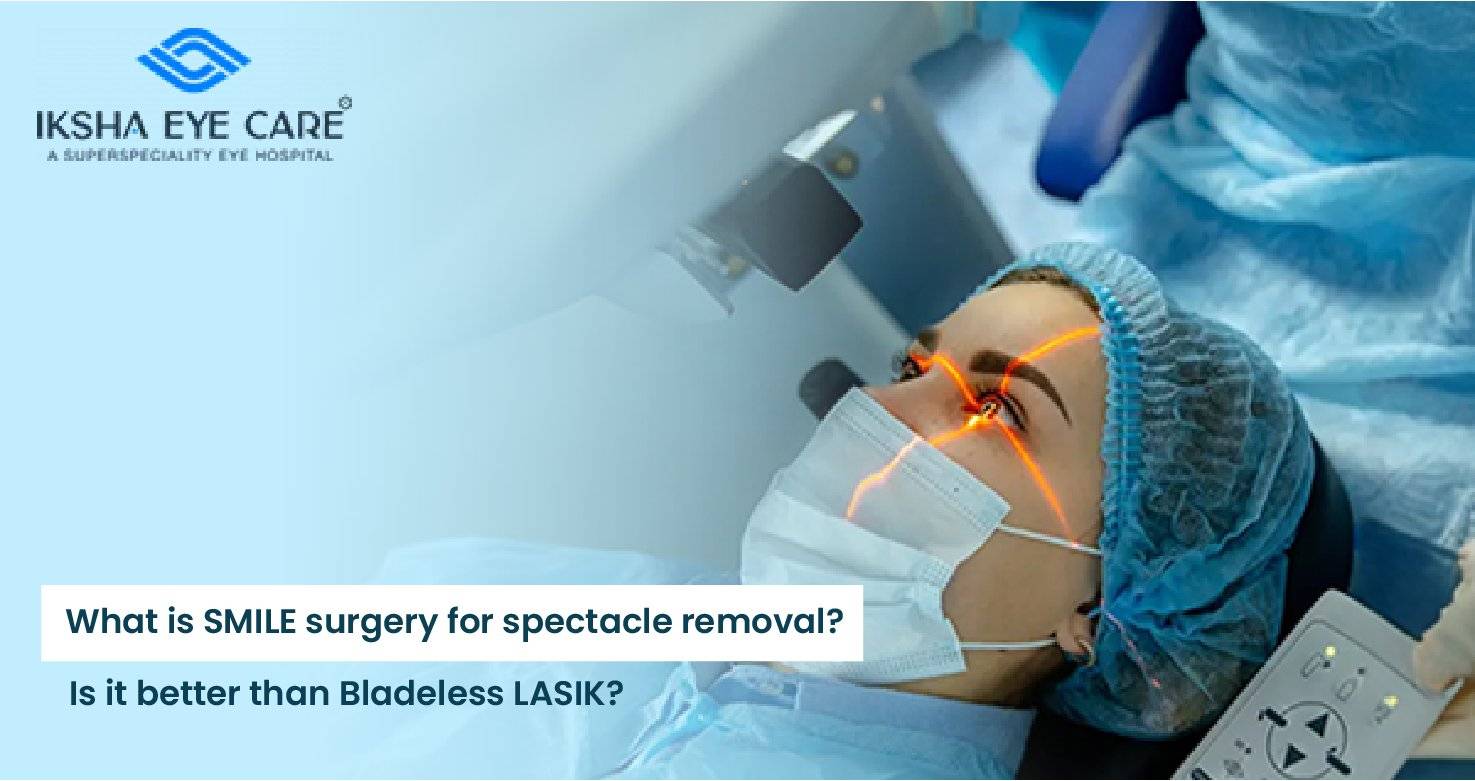
What Is SMILE Surgery for Spectacle Removal? Is It Better Than Bladeless LASIK?

Quick Answer

SMILE (Small Incision Lenticule Extraction) is a minimally invasive laser vision correction procedure designed to reduce or eliminate dependence on glasses and contact lenses. It is primarily used to treat myopia (nearsightedness) and, in some cases, astigmatism. Unlike Bladeless LASIK, SMILE does not require the creation of a corneal flap. Instead, a femtosecond laser creates a small lenticule within the cornea, which is removed through a tiny incision. Whether SMILE is better than Bladeless LASIK depends on a patient’s eye condition, lifestyle, prescription, and surgeon’s recommendation.

Introduction

Millions of people rely on spectacles or contact lenses every day to achieve clear vision. While glasses are effective, many individuals seek a long-term solution that offers greater convenience, especially active professionals, athletes, and those with demanding lifestyles.

Advances in refractive surgery have made spectacle removal procedures safer and more precise than ever before. Among the most popular options today are SMILE surgery and Bladeless LASIK, both of which use advanced laser technology to correct refractive errors.

Patients often search for answers to questions such as: What is SMILE surgery? Is SMILE safer than LASIK? Which procedure offers faster recovery? Understanding the differences between these procedures can help patients make informed decisions about their vision correction journey.

What Is SMILE Surgery?

SMILE stands for Small Incision Lenticule Extraction. It is a modern laser vision correction procedure that reshapes the cornea to improve how light focuses on the retina.

During the procedure, a highly precise femtosecond laser creates a thin disc-shaped piece of tissue, known as a lenticule, within the cornea. The surgeon then removes this lenticule through a very small incision, altering the corneal shape and correcting the refractive error.

Unlike traditional LASIK procedures, SMILE does not involve creating a large corneal flap. This minimally invasive approach preserves more of the cornea’s natural structure while achieving effective vision correction.

SMILE is commonly performed for individuals with:

  • Myopia (nearsightedness)
  • Myopia with astigmatism
  • Stable spectacle power
  • Suitable corneal thickness

How Does SMILE Surgery Help Remove Spectacles?

The primary reason people undergo SMILE surgery is to reduce or eliminate dependence on glasses and contact lenses.

Refractive errors occur when the shape of the cornea prevents light from focusing correctly on the retina. SMILE corrects this issue by reshaping the cornea from within.

Once the corneal curvature is adjusted, light can focus more accurately on the retina, resulting in clearer vision without external visual aids.

Many patients notice significant improvement in vision within a few days following the procedure, although final stabilization may continue over several weeks.

What Is Bladeless LASIK?

Bladeless LASIK is an advanced form of LASIK that uses a femtosecond laser instead of a mechanical blade to create a corneal flap.

After creating the flap, an excimer laser reshapes the underlying corneal tissue to correct refractive errors. The flap is then repositioned, where it naturally adheres during healing.

Bladeless LASIK has become one of the most widely performed vision correction procedures worldwide because of its precision, safety profile, and predictable outcomes.

The procedure can be used to treat:

  • Myopia
  • Hyperopia (farsightedness)
  • Astigmatism

Because of its versatility, Bladeless LASIK remains an excellent option for many patients seeking freedom from spectacles.

SMILE vs Bladeless LASIK: What Is the Difference?

Although both procedures aim to reduce dependence on glasses, their surgical approaches differ significantly.

SMILE Surgery

  • Uses a femtosecond laser only
  • No corneal flap is created
  • Small incision approach
  • Preserves more corneal biomechanics
  • Often associated with reduced dry eye symptoms in some patients

Bladeless LASIK

  • Uses two laser technologies
  • Creates a corneal flap
  • Treats a broader range of refractive errors
  • Established track record over many years
  • Fast visual recovery for most patients

The best procedure depends on the individual’s prescription, corneal characteristics, and lifestyle requirements.

Is SMILE Better Than Bladeless LASIK?

There is no universal answer because both procedures have distinct advantages.

SMILE may be preferred for patients with moderate to high myopia who want a minimally invasive procedure without a corneal flap. It is also often considered for individuals involved in contact sports or physically demanding activities where flap-related concerns may be relevant.

Bladeless LASIK remains highly effective and may be suitable for a broader range of prescriptions, including hyperopia. It also offers excellent visual outcomes and rapid recovery for eligible candidates.

Eye surgeons determine the most appropriate procedure based on a comprehensive eye examination rather than a one-size-fits-all approach.

Benefits of SMILE Surgery

SMILE has gained popularity because of several potential advantages.

Minimally Invasive Approach

The procedure requires only a small incision, reducing disruption to the corneal surface.

No Corneal Flap

Since no flap is created, certain flap-related risks associated with LASIK are avoided.

Corneal Strength Preservation

The small-incision technique may help preserve more of the cornea’s natural biomechanics.

Potentially Reduced Dry Eye Symptoms

Some studies suggest that SMILE may result in fewer dry eye symptoms in selected patients due to less disturbance of corneal nerves.

Quick Recovery

Most patients return to daily activities relatively quickly following surgery.

Who Is a Good Candidate for SMILE Surgery?

Not everyone is suitable for SMILE. Eligibility depends on multiple clinical factors.

A candidate may be considered suitable if they:

  • Are over 18 years old
  • Have stable spectacle power
  • Have myopia with or without astigmatism
  • Have healthy corneas
  • Do not have significant eye diseases

A detailed eye evaluation is essential to determine whether SMILE, Bladeless LASIK, or another vision correction procedure is most appropriate.

Recovery After SMILE Surgery

Recovery after SMILE is generally smooth and relatively quick.

Most patients experience improved vision within the first few days, although complete visual stabilization may take longer. Temporary symptoms such as mild irritation, light sensitivity, or fluctuating vision can occur during the early healing period.

Patients are usually advised to:

  • Use prescribed eye drops
  • Avoid rubbing the eyes
  • Attend follow-up appointments
  • Follow postoperative care instructions carefully

Adherence to postoperative guidelines plays an important role in achieving optimal outcomes.

What Do Eye Specialists Consider Before Recommending SMILE or LASIK?

When deciding between SMILE and Bladeless LASIK, eye specialists evaluate several factors:

  • Corneal thickness
  • Corneal shape
  • Spectacle power
  • Degree of astigmatism
  • Lifestyle requirements
  • Occupational needs
  • Ocular health

This personalized assessment helps ensure that the chosen procedure aligns with the patient’s visual goals and eye characteristics.

FAQs

Q1. What is SMILE surgery for spectacle removal?
SMILE is a laser vision correction procedure that treats myopia and astigmatism by removing a small lenticule from the cornea through a tiny incision.

Q2. Is SMILE surgery safer than Bladeless LASIK?
Both procedures are considered safe for eligible candidates. The most suitable option depends on individual eye characteristics and a surgeon’s evaluation.

Q3. Does SMILE surgery require a corneal flap?
No. SMILE is a flap-free procedure that uses a small incision to remove corneal tissue.

Q4. How long does recovery take after SMILE surgery?
Most patients experience noticeable visual improvement within a few days, although complete stabilization may take several weeks.

Q5. Who is eligible for SMILE eye surgery?
Individuals with stable vision, healthy corneas, and suitable levels of myopia or astigmatism may be candidates for SMILE surgery after a comprehensive eye examination.

Conclusion

SMILE surgery has emerged as one of the most advanced options for spectacle removal, offering a minimally invasive, flap-free approach to vision correction. Its ability to treat myopia and astigmatism while preserving corneal structure has made it an increasingly popular choice among patients seeking freedom from glasses and contact lenses. At the same time, Bladeless LASIK continues to be a highly effective and widely trusted procedure with an extensive track record of success. Rather than focusing on which treatment is universally better, patients should prioritize a comprehensive eye evaluation to determine which procedure best suits their vision needs, eye health, and lifestyle goals.

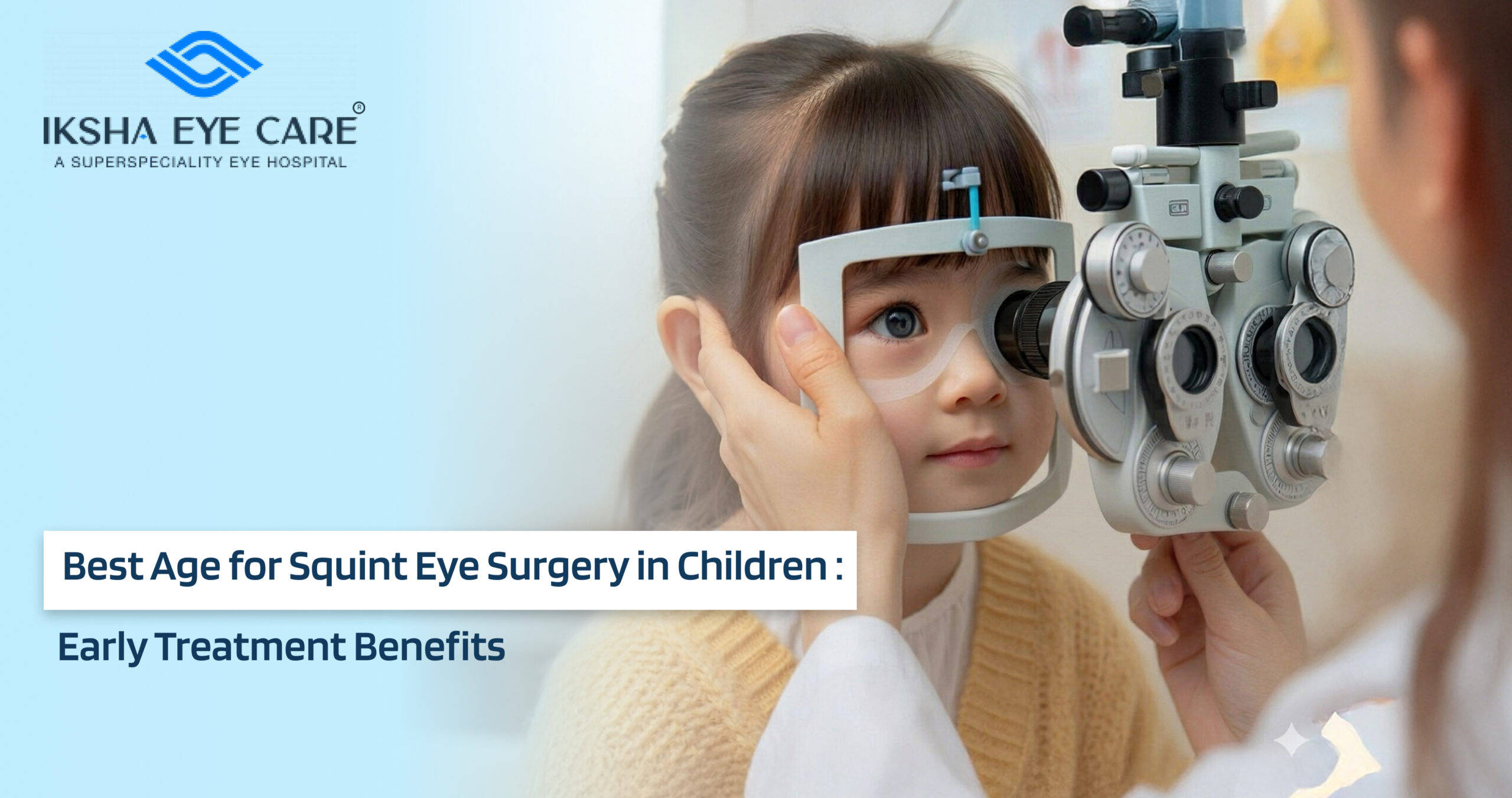
Best Age for Squint Eye Surgery in Children: Early Treatment Benefits

Best Age for Squint Eye Surgery in Children

The best age for squint eye (strabismus) surgery in children is typically between 6 months to 6 years, depending on the type and severity of the condition. Early treatment helps restore proper eye alignment, improves binocular vision, and prevents long-term vision problems such as amblyopia (lazy eye). Timely intervention ensures better visual development and long-term outcomes.

Understanding Squint Eye (Strabismus) in Children

Squint eye, medically known as strabismus, is a condition where the eyes do not align properly and point in different directions. One eye may look straight ahead while the other turns inward, outward, upward, or downward.

We observe that this condition can affect:

  • Depth perception
  • Visual development
  • Eye coordination
  • Confidence and social interaction

Early detection and timely treatment play a crucial role in ensuring normal vision development in children.

What Causes Squint Eye in Children?

Strabismus can develop due to various factors, including:

  • Weak or imbalanced eye muscles
  • Neurological coordination issues
  • Refractive errors (like farsightedness)
  • Genetic predisposition
  • Premature birth or developmental conditions

In many cases, the condition appears during infancy or early childhood, making early monitoring essential.

Best Age for Squint Eye Surgery

Early Intervention: The Ideal Window

The most effective age for squint eye correction depends on the type of strabismus, but generally:

  • Infants (6–12 months): For congenital squint, early surgery may be recommended
  • Toddlers (1–3 years): High success rates due to active visual development
  • Preschool age (3–6 years): Ideal time to correct alignment before school years

We emphasize that early surgical intervention significantly improves visual outcomes because the brain is still developing the ability to use both eyes together.

Why Timing Matters in Squint Surgery

The brain learns to coordinate both eyes during early childhood. If the eyes are misaligned:

  • The brain may start ignoring input from one eye
  • This can lead to amblyopia (lazy eye)
  • Depth perception may not develop properly

Correcting the alignment early ensures that both eyes work together effectively, improving overall vision quality.

Benefits of Early Squint Eye Surgery

1. Improved Binocular Vision

Early treatment helps restore binocular vision, allowing both eyes to function as a team. This is essential for:

  • Depth perception
  • Spatial awareness
  • Hand-eye coordination

2. Prevention of Lazy Eye (Amblyopia)

One of the biggest risks of untreated squint is amblyopia. Early surgery helps:

  • Prevent permanent vision loss
  • Ensure equal visual development in both eyes

3. Better Cosmetic Appearance

Aligned eyes improve:

  • Facial symmetry
  • Confidence in children
  • Social interactions

Children treated early are less likely to face self-esteem issues related to appearance.

4. Enhanced Academic and Daily Performance

Proper vision plays a key role in:

  • Reading and writing
  • Classroom learning
  • Sports and physical activities

Correcting squint early ensures children perform better in both academics and daily life activities.

Is Surgery Always Required?

Not all cases of squint require surgery. Treatment depends on the severity and underlying cause.

Non-Surgical Treatments Include:

  • Prescription glasses
  • Eye patching therapy
  • Vision therapy exercises

However, when these methods do not fully correct the alignment, surgical intervention becomes necessary.

What Happens During Squint Eye Surgery?

Squint surgery involves adjusting the eye muscles to improve alignment.

We highlight that modern procedures are:

  • Safe and minimally invasive
  • Performed under anesthesia
  • Completed within a short duration
  • Associated with quick recovery times

Advanced eye care centers such as Iksha Eye Care offer specialized pediatric eye care with experienced ophthalmologists and advanced technology, ensuring high success rates.

Recovery and Post-Surgery Care

After surgery, children may experience:

  • Mild redness or discomfort
  • Temporary blurred vision
  • Sensitivity to light

Recovery typically includes:

  • Use of prescribed eye drops
  • Follow-up consultations
  • Monitoring visual improvement

Most children return to normal activities within a few days to weeks.

Long-Term Outcomes of Early Treatment

Children who undergo early squint correction often experience:

  • Stable eye alignment
  • Improved visual coordination
  • Reduced need for additional treatments
  • Better quality of life

Early treatment ensures that vision develops normally alongside physical and cognitive growth.

When Should Parents Consult an Eye Specialist?

Parents should seek immediate evaluation if they notice:

  • Eyes not aligned properly
  • Frequent eye rubbing
  • Head tilting or squinting
  • Difficulty focusing on objects
  • Double vision

Early consultation allows for timely diagnosis and effective treatment planning.

Why Choosing the Right Eye Care Center Matters

Successful squint treatment depends on:

  • Accurate diagnosis
  • Experienced specialists
  • Advanced technology
  • Personalized care approach

Leading centers provide:

  • Comprehensive pediatric eye care
  • Modern surgical techniques
  • Child-friendly environment

This ensures a safe and comfortable experience for both children and parents.

Conclusion

Squint eye in children is a condition that requires timely attention and proper treatment. The best age for surgery varies, but early intervention ideally before the age of 6 offers the most effective results.

By addressing the issue early, we can ensure:

  • Proper eye alignment
  • Healthy visual development
  • Improved confidence and quality of life

With advancements in eye care and experienced specialists, squint correction today is safe, effective, and highly successful.


FAQ 

1. What is the best age for squint eye surgery in children?

The best age for squint eye surgery is usually between 6 months and 6 years, depending on the type and severity of the condition.

2. Can squint eye be corrected without surgery?

Yes, mild cases can be treated with glasses, patching, or vision therapy. However, surgery may be required for proper alignment in more severe cases.

3. Is squint eye surgery safe for children?

Yes, modern squint eye surgery is safe, minimally invasive, and performed by experienced specialists with high success rates.

4. What happens if squint eye is not treated early?

Untreated squint can lead to lazy eye (amblyopia), poor depth perception, and long-term vision problems.

5. How long does recovery take after squint surgery?

Most children recover within a few days to weeks, with gradual improvement in eye alignment and vision.

Watery Eyes in Older Adults: Could Cataracts Be the Reason?

Reason Watery Eyes in Older Adults

Watery eyes in older adults can be caused by multiple factors, including dry eyes, infections, blocked tear ducts, and cataracts. While cataracts primarily affect vision clarity, they can also lead to eye irritation and reflex tearing. A proper eye examination is essential to determine the exact cause and appropriate treatment.

Understanding Watery Eyes in Older Adults

Watery eyes, medically known as epiphora, are a common concern among aging individuals. Many assume that excessive tearing is simply a sign of aging, but in reality, it often indicates underlying eye conditions that require attention.

We observe that older adults frequently experience watery eyes due to:

  • Dry eye syndrome
  • Blocked tear drainage system
  • Eye infections or inflammation
  • Eyelid position issues
  • Age-related eye conditions like cataracts

Among these, cataracts are often overlooked as a contributing factor.

What Are Cataracts and How Do They Affect the Eyes?

A cataract is the clouding of the natural lens of the eye, leading to blurred or dim vision. It is one of the most common age-related eye conditions.

Common symptoms include:

  • Blurry or cloudy vision
  • Sensitivity to light
  • Difficulty seeing at night
  • Faded or yellowish colors
  • Frequent changes in glasses prescription

While cataracts are primarily associated with vision problems, they can also indirectly contribute to eye irritation and excessive tearing.

Can Cataracts Cause Watery Eyes?

The Connection Between Cataracts and Excessive Tearing

Cataracts do not directly produce tears, but they can trigger conditions that lead to watery eyes.

We see this happening due to:

1. Eye Irritation and Sensitivity

As cataracts develop, they can increase light sensitivity and glare, causing discomfort. This irritation can stimulate the eyes to produce more tears as a protective response.

2. Reflex Tearing Due to Dry Eyes

Ironically, many older adults suffer from dry eyes, which leads to reflex tearing.

When the eye becomes dry:

  • The brain signals the tear glands to produce more tears
  • These tears are often of poor quality and do not lubricate properly
  • This results in constant watering

Cataracts can worsen this cycle by increasing ocular surface stress.

3. Co-existing Age-Related Eye Conditions

Cataracts often occur alongside other conditions such as:

  • Blepharitis
  • Conjunctivitis
  • Eyelid malposition

These can further contribute to excess tearing.

Other Common Causes of Watery Eyes in Seniors

It is important to evaluate all possible causes before linking watery eyes solely to cataracts.

Blocked Tear Ducts

Tears may not drain properly due to blockage, leading to overflow of tears.

Eyelid Problems

Conditions like entropion or ectropion affect how tears are distributed and drained.

Eye Infections or Allergies

Inflammation caused by infections can lead to increased tear production.

Environmental Factors

Exposure to dust, wind, or pollution can irritate the eyes and cause watering.

When Should You Be Concerned?

Watery eyes should not be ignored, especially when accompanied by:

  • Blurred vision
  • Eye pain or redness
  • Sensitivity to light
  • Difficulty reading or driving
  • Frequent eye infections

These symptoms may indicate cataracts or other serious eye conditions that require immediate attention.

Diagnosis: Identifying the Real Cause

A comprehensive eye examination is essential to determine the exact cause of watery eyes.

At advanced eye care centers such as Iksha Eye Care, specialists typically perform:

  • Vision testing
  • Slit-lamp examination
  • Tear drainage evaluation
  • Retinal examination

This ensures accurate diagnosis and personalized treatment planning.

Treatment Options for Watery Eyes

1. Treating the Underlying Cause

The treatment depends entirely on the root issue:

  • Lubricating drops for dry eyes
  • Antibiotics for infections
  • Minor procedures for blocked tear ducts

2. Cataract Surgery

If cataracts are contributing to the problem, cataract surgery becomes the most effective solution.

Modern cataract procedures are:

  • Safe and minimally invasive
  • Completed within a short duration
  • Highly successful in restoring clear vision

We see that patients often experience reduced irritation and improved eye comfort after surgery.

3. Advanced Eye Care Solutions

Leading clinics provide:

  • Advanced diagnostic technology
  • Customized treatment plans
  • Cashless insurance options
  • Experienced ophthalmologists

These factors ensure a smooth and comfortable treatment journey.

How Cataract Surgery Improves Overall Eye Health

Cataract surgery not only improves vision but also helps:

  • Reduce eye strain
  • Improve light sensitivity
  • Enhance overall eye comfort
  • Minimize reflex tearing

Patients often report a significant improvement in daily quality of life after treatment.

Preventive Eye Care Tips for Older Adults

Maintaining eye health is essential to prevent complications.

We recommend:

  • Regular eye check-ups
  • Protecting eyes from UV exposure
  • Managing screen time
  • Maintaining proper hydration
  • Following a balanced diet rich in eye-friendly nutrients

Early detection plays a crucial role in preventing vision-related complications.

Why Timely Eye Check-Ups Matter

Ignoring symptoms like watery eyes can delay diagnosis and treatment.

Routine eye examinations help:

  • Detect cataracts early
  • Identify other underlying conditions
  • Prevent progression of eye diseases
  • Maintain long-term vision health

Conclusion

Watery eyes in older adults may seem like a minor inconvenience, but they often signal underlying eye conditions that require attention. While cataracts are primarily known for affecting vision, they can also contribute to eye irritation and reflex tearing.

A timely consultation with experienced specialists ensures accurate diagnosis and effective treatment. With modern advancements in eye care, conditions like cataracts can be managed safely, restoring both clear vision and eye comfort.

FAQ 

1. Do cataracts cause watery eyes?

Cataracts do not directly cause watery eyes, but they can lead to irritation and light sensitivity, which may trigger excessive tearing.

2. Why do older adults experience watery eyes?

Watery eyes in older adults can result from dry eyes, blocked tear ducts, infections, eyelid problems, or age-related conditions like cataracts.

3. How are watery eyes treated?

Treatment depends on the cause and may include eye drops, medications, minor procedures, or cataract surgery if required.

4. When should I see an eye specialist?

You should consult an eye specialist if watery eyes are persistent or accompanied by blurred vision, pain, redness, or sensitivity to light.

5. Can cataract surgery reduce watery eyes?

Yes, if cataracts are contributing to irritation, surgery can improve overall eye comfort and reduce reflex tearing.

Safe, Advanced & 100% Cashless Cataract Surgery with Iksha Eye Care

Advanced & 100% Cashless Cataract Surgery

Cataracts remain one of the most common causes of vision impairment worldwide, especially among individuals above the age of 50. As medical technology has advanced, modern cataract surgery has become safer, faster, and highly effective, allowing patients to restore clear vision with minimal downtime. Today, patients are no longer limited to traditional procedures. They can access advanced cataract treatment options combined with seamless insurance support, including 100% cashless cataract surgery at specialized eye care centers.

At Iksha Eye Care, patients benefit from state-of-the-art cataract surgery technology, experienced ophthalmologists, and cashless treatment options through multiple insurance providers. This approach ensures that individuals can focus on their vision recovery without worrying about complex financial procedures. By combining medical expertise with patient-centric care, Iksha Eye Care provides a reliable solution for those seeking safe and advanced cataract surgery with cashless convenience.

Understanding Cataracts and Their Impact on Vision

A cataract occurs when the natural lens of the eye becomes cloudy, preventing light from passing clearly to the retina. Over time, this cloudiness worsens, causing vision to become blurry, dim, or distorted.

Common symptoms include:

  • Blurred or hazy vision
  • Difficulty seeing at night
  • Sensitivity to light and glare
  • Fading or yellowing of colors
  • Frequent changes in eyeglass prescription

As cataracts progress, they can significantly affect daily activities such as reading, driving, and recognizing faces. The most effective treatment is surgical removal of the cloudy lens and replacement with a clear artificial intraocular lens (IOL).

Why Modern Cataract Surgery Is Safer Than Ever

Technological innovations have dramatically improved cataract surgery outcomes. Today’s procedures are minimally invasive, highly precise, and extremely safe, allowing patients to regain clear vision quickly.

Advanced techniques now include:

  • Phacoemulsification technology
  • Micro-incision cataract surgery
  • Premium intraocular lenses
  • Computer-guided surgical systems

These advancements allow surgeons to remove the cataract through tiny incisions, reducing healing time and improving surgical accuracy. Patients typically experience rapid visual recovery and minimal discomfort after the procedure.

The Advantage of Cashless Cataract Surgery

One of the biggest concerns for patients seeking eye surgery is the financial process involved with medical insurance. Cashless treatment eliminates this complexity.

100% cashless cataract surgery allows eligible patients to receive treatment without paying upfront hospital expenses. Instead, the hospital coordinates directly with the insurance provider to process the claim.

Benefits of cashless cataract surgery include:

  • No upfront payment for approved treatments
  • Simplified insurance claim process
  • Reduced administrative stress for patients
  • Faster access to medical care

At Iksha Eye Care, patients receive assistance with insurance documentation, ensuring a smooth and efficient treatment experience.

Advanced Cataract Surgery Technology at Iksha Eye Care

Modern eye care facilities combine medical expertise with advanced diagnostic and surgical technology. At Iksha Eye Care, patients benefit from comprehensive cataract treatment supported by cutting-edge equipment.

Key features of advanced cataract surgery include:

High-Precision Diagnostic Evaluation

Before surgery, specialists conduct detailed eye examinations to evaluate:

  • Corneal health
  • Lens opacity
  • Retinal condition
  • Overall visual function

This diagnostic process ensures that surgeons select the most suitable surgical technique and intraocular lens for each patient.

Micro-Incision Surgical Techniques

Modern cataract procedures use micro-incisions that are extremely small, often eliminating the need for stitches. These smaller incisions promote faster healing and reduced surgical trauma.

Premium Intraocular Lens Options

Patients can choose from different types of intraocular lenses designed to improve visual outcomes, including:

  • Monofocal lenses
  • Multifocal lenses
  • Trifocal lenses
  • Extended Depth of Focus (EDOF) lenses
  • Toric lenses for astigmatism

These lenses help restore vision and may significantly reduce dependence on glasses after surgery.

What to Expect During Cataract Surgery

Cataract surgery is one of the most commonly performed medical procedures and typically takes 15 to 20 minutes per eye.

The process generally includes:

  1. Pre-surgical evaluation and diagnostic testing
  2. Application of anesthetic eye drops
  3. Removal of the cloudy lens using ultrasound technology
  4. Insertion of a clear artificial intraocular lens
  5. Post-surgery monitoring and discharge

Because the procedure is minimally invasive, most patients return home the same day and can resume normal activities shortly afterward.

Recovery After Cataract Surgery

Recovery from cataract surgery is usually quick and comfortable. Patients may notice improved vision within a few days, although complete healing may take a few weeks.

Typical recovery guidelines include:

  • Using prescribed eye drops
  • Avoiding heavy lifting temporarily
  • Protecting the eye from dust or water
  • Attending follow-up checkups

With proper care, cataract surgery can deliver long-lasting vision improvement and enhanced quality of life.

Why Patients Trust Iksha Eye Care for Cataract Treatment

Choosing the right eye care center is essential for achieving the best surgical outcomes. Patients seeking cataract surgery often look for hospitals that combine advanced technology, experienced surgeons, and patient-friendly services.

Iksha Eye Care provides a comprehensive approach to cataract treatment by focusing on:

  • Advanced surgical technology
  • Experienced ophthalmology specialists
  • Comprehensive eye diagnostics
  • Cashless insurance facilities
  • Personalized patient care

This integrated model ensures that patients receive high-quality medical care while enjoying a convenient and stress-free treatment process.

Who Should Consider Cataract Surgery

Cataract surgery is recommended for individuals whose vision problems begin to interfere with daily life. Candidates often include people who experience:

  • Difficulty reading or watching television
  • Problems driving at night
  • Increased sensitivity to glare
  • Reduced visual clarity despite updated glasses

Early consultation with an eye specialist helps determine the right time for surgery and ensures optimal outcomes.

Conclusion

Cataract surgery has evolved into a safe, advanced, and highly effective solution for restoring vision. With modern surgical techniques, premium lens options, and minimally invasive procedures, patients can achieve clearer vision with faster recovery than ever before.

At Iksha Eye Care, individuals benefit from cutting-edge cataract surgery technology combined with 100% cashless treatment options, ensuring both medical excellence and financial convenience. For patients seeking reliable and advanced cataract care, choosing a specialized eye hospital with experienced surgeons and modern facilities is the key to successful vision restoration.

FAQ

Is cataract surgery safe?

Yes, modern cataract surgery is considered one of the safest and most effective surgical procedures, with high success rates and minimal recovery time.

What is cashless cataract surgery?

Cashless cataract surgery allows patients to undergo treatment without paying upfront costs if their insurance provider approves the claim, as the hospital directly processes the payment with the insurer.

How long does cataract surgery take?

The procedure typically takes around 15–20 minutes per eye and is performed as an outpatient surgery.

How soon can vision improve after cataract surgery?

Many patients notice improved vision within a few days after surgery, while complete healing may take a few weeks.

Does cataract surgery permanently restore vision?

Cataract surgery removes the cloudy lens and replaces it with a clear artificial lens, providing long-term vision improvement for most patients.

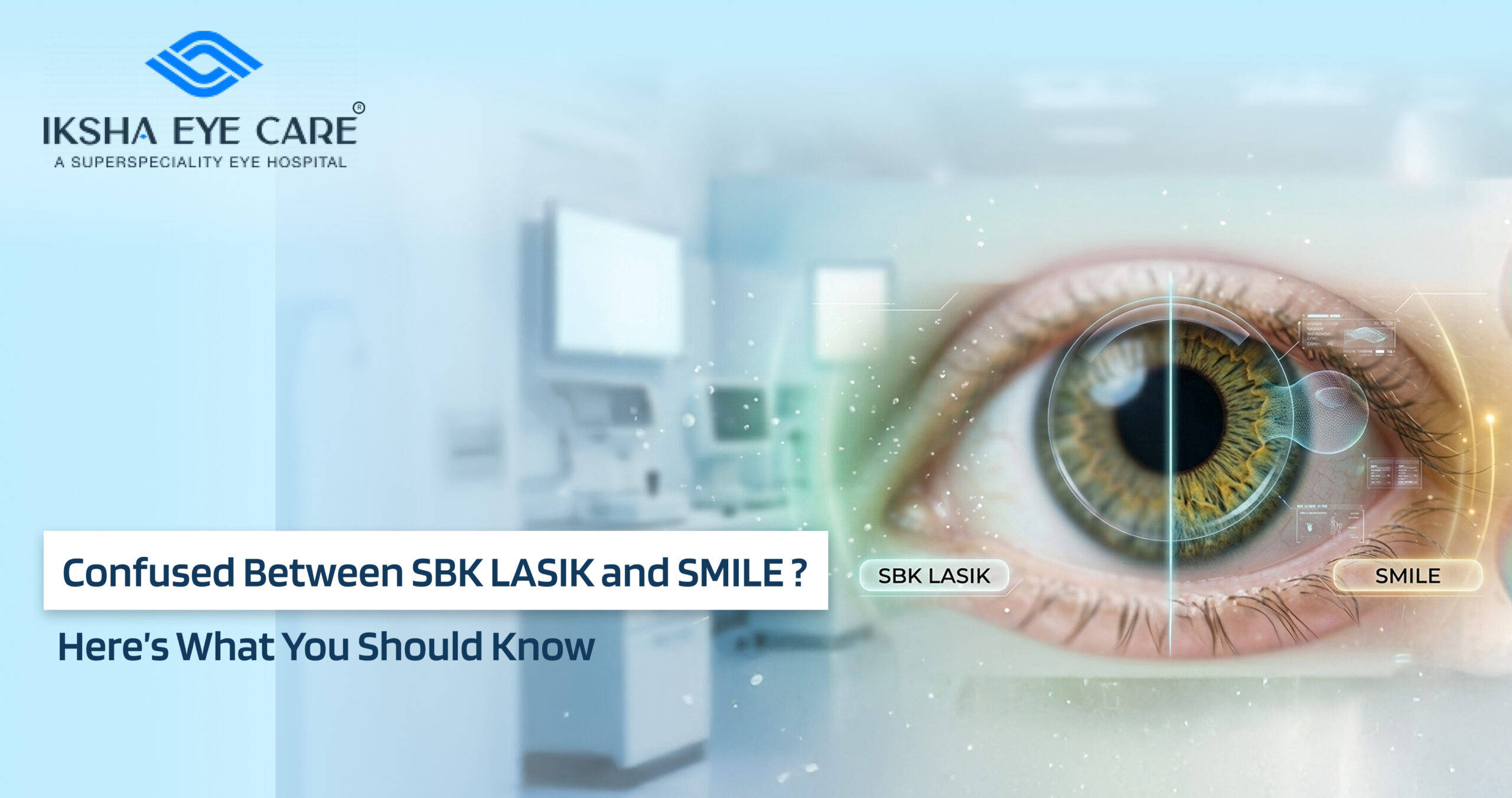
Confused Between SBK LASIK and SMILE? Here’s What You Should Know

SBK LASIK vs SMILE

Laser vision correction has transformed the way people treat refractive errors such as myopia (nearsightedness), astigmatism, and farsightedness. Two of the most advanced procedures available today are SBK LASIK and SMILE eye surgery. Many patients considering laser eye surgery often ask the same question: Which procedure is better SBK LASIK or SMILE?

Both procedures aim to reduce or eliminate dependence on glasses or contact lenses. However, they differ in technique, recovery time, and suitability for different eye conditions. Understanding these differences can help patients make a more informed decision when consulting a specialist at advanced eye care centers such as Iksha Eye Care.

This guide explains the key differences, benefits, and considerations for each procedure to help you choose the best vision correction option.

Understanding Laser Vision Correction

Laser vision correction works by reshaping the cornea, the clear front surface of the eye. When the cornea’s shape is corrected, light entering the eye focuses properly on the retina, resulting in clearer vision.

Two modern techniques widely used for this purpose include:

  • SBK LASIK (Sub-Bowman’s Keratomileusis)
  • SMILE (Small Incision Lenticule Extraction)

Both procedures are minimally invasive and typically take only a few minutes per eye, allowing patients to return home the same day.

What Is SBK LASIK?

SBK LASIK is an advanced version of traditional LASIK surgery. It uses a very thin corneal flap to access the inner corneal layer before reshaping it with a laser.

How SBK LASIK Works

  1. A very thin flap is created on the cornea.
  2. The flap is lifted to expose the underlying corneal tissue.
  3. An excimer laser reshapes the cornea to correct the refractive error.
  4. The flap is repositioned to heal naturally.

Because SBK LASIK uses a thinner flap compared to conventional LASIK, it preserves more corneal tissue and improves safety for many patients.

Benefits of SBK LASIK

  • Fast visual recovery, often within 24 hours
  • Suitable for a wider range of prescriptions
  • Long track record with predictable results
  • Quick and painless procedure

LASIK procedures typically provide rapid improvement in vision, with many patients seeing clearly the next day.

What Is SMILE Eye Surgery?

SMILE (Small Incision Lenticule Extraction) is one of the newest laser vision correction techniques. Unlike LASIK, SMILE does not create a corneal flap.

How SMILE Surgery Works

  1. A femtosecond laser creates a tiny lens-shaped piece of tissue inside the cornea.
  2. A small incision (about 2–4 mm) is made.
  3. The surgeon removes the tissue through the incision.
  4. The cornea reshapes naturally, correcting vision.

Because SMILE uses a small incision instead of a flap, it is considered a minimally invasive and flap-free procedure.

SBK LASIK vs SMILE: Key Differences

Understanding the differences between these procedures helps determine which option may be more suitable.

FeatureSBK LASIKSMILE
Surgical MethodThin corneal flap createdSmall incision, no flap
Recovery SpeedVery fast (often within 24 hours)Slightly slower stabilization
Dry Eye RiskSlightly higherLower risk
Treatment RangeMyopia, hyperopia, astigmatismMostly myopia and mild astigmatism
Corneal StrengthSlightly reduced due to flapBetter preserved

SMILE uses a smaller incision and preserves more corneal nerves, which may reduce early dry eye symptoms compared to LASIK.

Recovery Time: What Patients Should Expect

Recovery time is an important factor for many patients considering laser vision correction.

SBK LASIK Recovery

  • Clear vision often within 24 hours
  • Mild dryness or irritation for a few days
  • Most people return to normal activities quickly

SMILE Recovery

  • Vision improvement within a few days
  • Full stabilization may take several days to weeks
  • Less postoperative dryness for some patients

Although SMILE is less invasive, LASIK often provides faster visual recovery immediately after surgery.

Who Is a Good Candidate for SBK LASIK?

SBK LASIK may be recommended for patients who:

  • Have myopia, hyperopia, or astigmatism
  • Want fast visual recovery
  • Have sufficient corneal thickness
  • Require correction for higher refractive errors

Because LASIK treats a broader range of prescriptions, it remains one of the most commonly performed refractive surgeries worldwide.

Who Is a Good Candidate for SMILE Surgery?

SMILE may be ideal for patients who:

  • Have moderate to high myopia
  • Experience dry eye symptoms
  • Prefer a flap-free procedure
  • Participate in sports or activities with potential eye impact

Since SMILE does not involve a flap, it reduces the risk of flap-related complications.

Safety and Success Rates

Both procedures have high success rates and strong patient satisfaction.

Studies show that most patients undergoing modern laser eye surgery achieve 20/25 vision or better after treatment.

Safety and outcomes depend on factors such as:

  • Eye health
  • Corneal thickness
  • Prescription stability
  • Surgeon experience
  • Advanced diagnostic technology

Eye specialists evaluate these factors carefully before recommending the most appropriate procedure.

Why Expert Evaluation Is Important

Choosing between SBK LASIK and SMILE should always involve a comprehensive eye examination. Every patient’s eyes are unique, and the best procedure depends on detailed diagnostic testing.

Advanced eye care centers such as Iksha Eye Care provide specialized vision correction consultations where doctors evaluate:

  • Corneal thickness
  • Tear film quality
  • Refractive error
  • Overall eye health

Based on these findings, specialists recommend the safest and most effective treatment.


Final Thoughts

Both SBK LASIK and SMILE eye surgery offer safe, effective solutions for correcting refractive errors and reducing dependence on glasses or contact lenses.

SBK LASIK is often preferred for patients seeking fast recovery and treatment for a wide range of vision problems, while SMILE may appeal to those looking for a minimally invasive procedure with potentially lower dry-eye risk.

A detailed consultation with experienced eye surgeons is the best way to determine which option suits your eyes and lifestyle. With advanced technology and personalized treatment planning, modern laser vision correction can provide life-changing visual freedom.

Schema FAQ Section

What is the difference between SBK LASIK and SMILE surgery?

SBK LASIK involves creating a thin corneal flap to reshape the cornea, while SMILE uses a small incision to remove a tiny piece of corneal tissue without creating a flap.

Is SMILE safer than LASIK?

SMILE may reduce the risk of flap-related complications and early dry-eye symptoms because it uses a smaller incision, though both procedures are considered safe when performed by experienced surgeons.

Which procedure has faster recovery: SBK LASIK or SMILE?

SBK LASIK typically offers faster visual recovery, with many patients experiencing clear vision within 24 hours.

Who is eligible for SMILE eye surgery?

SMILE is generally suitable for patients with moderate to high myopia and mild astigmatism who prefer a minimally invasive procedure.

Can laser eye surgery permanently remove glasses?

Laser eye surgery significantly reduces or eliminates the need for glasses or contact lenses for many patients, though results depend on individual eye conditions.

Benefits of LASIK for Young Working Professionals in 2026

lasik eye surgery in andheri

Introduction – Why LASIK Has Become Essential for the 2026 Workforce

As we enter 2026, the lifestyle of young working professionals has changed dramatically. Between remote work, hybrid offices, long video calls, digital documents, and prolonged screen time, eye strain has become one of the most common complaints among individuals aged 22–40. Many professionals now realize that depending on glasses and contact lenses every day is no longer practical, especially with their demanding schedules.

This is exactly why LASIK has emerged as one of the most valuable health investments for young professionals in 2026. At Iksha Eye Care in Mumbai, more working individuals from IT employees and designers to consultants, entrepreneurs, and creators are choosing LASIK not only for convenience but also for better productivity, health, and overall lifestyle improvement.

If you’re a working professional wondering how LASIK can change your life in 2026, this guide explains the key benefits, long-term advantages, and why now is the best time to consider it.

1. Clear Vision to Support Intense Screen Work

In 2026, most jobs involve:

  • 8–10 hours of laptop work
  • Virtual meetings
  • Data-driven tasks
  • Digital presentations
  • Smartphone multitasking

Glasses often make long screen sessions uncomfortable. They slip, fog, distort peripheral vision, and cause fatigue.

With LASIK, young professionals experience:

  • Sharper focus
  • Reduced digital eye strain
  • More comfortable long working hours
  • Improved visual endurance
  • Better concentration during high-stress tasks

At Iksha Eye Care, LASIK evaluation ensures your cornea, retina, and eye pressure are in perfect condition before recommending the procedure.

2. Improved Work Efficiency and Productivity

When you remove the constant visual limitations of spectacles and contact lenses, your productivity naturally improves. Many professionals in 2026 report feeling more confident and efficient after LASIK because they’re no longer dealing with:

  • Blurry vision due to smudged lenses
  • Frequent prescription changes
  • Dryness from contact lens wear
  • Lens irritation during long workdays

LASIK allows you to focus on your work without interruptions making it ideal for young professionals with demanding schedules.

3. Perfect for Remote, Hybrid, and On-the-Go Lifestyles

Today’s working professionals don’t follow a fixed routine. One day you’re working from home, the next you’re in the office, then traveling for business, or attending a weekend workshop.

In 2026, LASIK supports this modern lifestyle by allowing:

  • Comfortable travel without worrying about lenses
  • Clear vision during early-morning or late-night calls
  • Smooth transition between home and office setups
  • Instant clarity in emergency or last-minute situations

For people constantly on the move, LASIK eliminates the tiny daily annoyances that glasses and contacts create.

4. Greater Confidence in Meetings, Networking, and Public Speaking

Whether you’re presenting to clients, leading a team, or networking at events, visual clarity and personal appearance play a major role in confidence.

Young professionals after LASIK often feel:

  • More expressive and confident
  • More comfortable making eye contact
  • Free from distractions caused by shifting frames
  • Better camera presence during video meetings

This psychological boost is one of the most underrated yet powerful benefits.

5. Enhanced Comfort During Workouts and Active Lifestyles

The modern workforce gives equal importance to fitness. But glasses and contact lenses are inconvenient for:

  • Gym workouts
  • Running
  • Sports
  • Swimming
  • Yoga sessions
  • Outdoor activities

LASIK offers clean, uninterrupted vision without worrying about sweaty glasses, broken frames, or dry contact lenses during workouts.

Iksha Eye Care provides advanced LASIK techniques suitable for active young adults with healthy corneas.

6. Reduction in Long-Term Costs

Many young professionals believe LASIK is expensive, but in 2026, the economics tell a different story.

When you calculate the long-term cost of:

  • New glasses every 1–2 years
  • High-quality contact lenses
  • Contact lens solutions
  • Eye exams
  • Prescription sunglasses
  • Replacements after breakage or loss

LASIK often becomes the more affordable option by your late 20s or early 30s.

It’s a one-time investment that offers benefits for years.

7. Freedom from Contact Lens-Related Problems

Young working adults who rely on contact lenses experience issues like:

  • Dry eyes
  • Allergies
  • Redness
  • Protein buildup
  • Corneal infections

LASIK is a safer long-term solution because it eliminates dependence on lenses and reduces the risk of associated complications.

Iksha Eye Care conducts a detailed evaluation to ensure the eye surface is healthy before the surgery.

8. Quick Procedure, Minimal Downtime

In 2026, modern LASIK technology makes the entire procedure extremely fast.

  • Surgery time: ~10–15 minutes
  • Recovery: 24–48 hours
  • Minor restrictions for 1–2 weeks
  • Return to work: often the next day

This is ideal for working professionals who can’t take long leaves.

9. Better Night Vision and Driving Convenience

Many young professionals drive late at night due to overtime, shift work, or social commitments.
Glasses can reflect light, and contacts may dry out, making night driving uncomfortable.

Post-LASIK, individuals experience:

  • Reduced glare
  • Sharper night vision
  • Clearer road signs
  • Better peripheral clarity

This is especially helpful for those who travel frequently or drive long distances.

10. Future-Proofing Your Eyes in a Highly Digital World

The digital world of 2026 is only getting more intense.
More screens, more AI tools, more virtual interactions, and more digital dependency.

By choosing LASIK now, young professionals are:

  • Protecting themselves from worsening refractive errors
  • Reducing long-term digital eye strain
  • Building a healthier visual foundation for the future

Your vision is your most essential work tool. LASIK helps protect and enhance it.

Conclusion – 2026 Is the Best Time for Young Professionals to Choose LASIK

The demands of the 2026 workforce make LASIK more relevant than ever. It offers young professionals clearer vision, higher productivity, better health, and greater lifestyle freedom. With fast recovery, proven safety, and long-term benefits, LASIK is no longer just an option, it’s a strategic life upgrade.

If you’re ready to experience the advantages of clear, glasses-free vision, Iksha Eye Care in Mumbai offers advanced LASIK evaluations, precise diagnostic testing, and personalized treatment plans.

FAQs

1. Is LASIK safe for young working professionals in 2026?
Yes, LASIK is extremely safe and effective for healthy adults aged 22–40 after proper evaluation.

2. How long is the LASIK recovery period?
Most professionals return to work within 24–48 hours after the procedure.

3. Is LASIK affordable for young adults?
Considering long-term expenses of glasses and lenses, LASIK is often more economical.

4. Can I do LASIK if I work long hours on screens?
Yes, LASIK can reduce digital eye strain and improve comfort during long workdays.

5. Does Iksha Eye Care in Mumbai offer LASIK?
Yes, Iksha Eye Care provides advanced LASIK evaluation, diagnostics, and refractive surgery options.

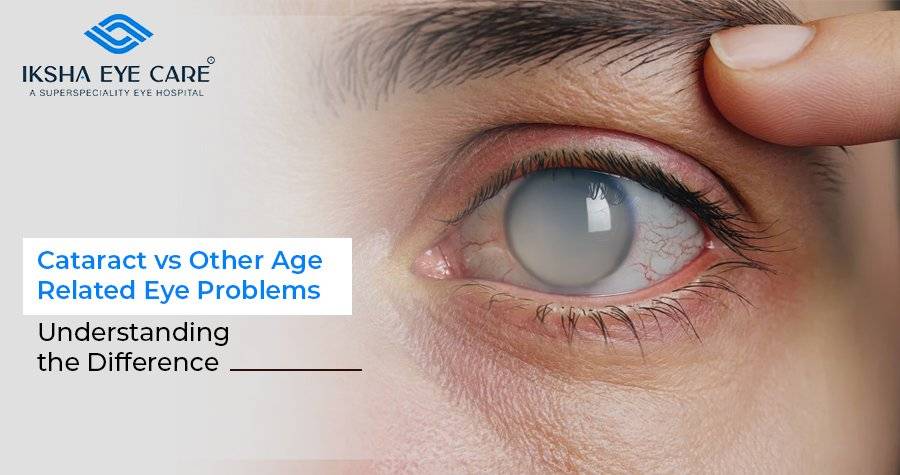
Cataract vs Other Age-Related Eye Problems – Understanding the Difference

Cataract vs Other Age-Related Eye Problems

Introduction – Why Understanding the Difference Matters as You Age

As we grow older, our eyes begin to experience natural changes. While some of these changes are harmless, others can significantly impact clarity, comfort, and overall vision quality. The most common age-related eye condition is cataract, but many people confuse its symptoms with glaucoma, age-related macular degeneration (AMD), diabetic retinopathy, and presbyopia.

Misinterpreting one condition for another can delay treatment and worsen long-term vision health. That’s why understanding the difference between cataracts and other age-related eye problems is essential.

At Iksha Eye Care in Mumbai, patients receive detailed eye evaluations, cataract diagnosis, glaucoma screening, retina tests, and vision assessments making early detection and accurate treatment possible.

What Is Cataract? – The Most Common Age-Related Eye Condition

A cataract forms when the natural lens of your eye becomes cloudy. This cloudiness gradually blocks or distorts light from reaching the retina, causing blurry or dim vision.

Key characteristics of cataracts include:

  • Gradually worsening blurry vision that feels like looking through a foggy window
  • Increased glare sensitivity, especially while driving at night
  • Colors appearing dull or yellowish
  • Needing brighter lighting for reading
  • Frequent prescription changes
  • Seeing halos around lights

Cataracts are extremely common after age 50, and nearly everyone experiences some degree of lens clouding later in life.

At Iksha Eye Care, cataracts are diagnosed using advanced slit-lamp evaluation, retina tests, and vision assessments, followed by modern, painless cataract surgery when necessary.

How Cataracts Differ from Other Age-Related Eye Problems

Although symptoms may seem similar, cataracts are fundamentally different from other age-related issues. Here’s how they compare.

1. Cataract vs. Presbyopia (Age-Related Reading Difficulty)

Presbyopia is a natural loss of near-focusing ability due to stiffening of the eye’s internal lens.
Unlike cataracts, it does not involve cloudiness.

Differences:

  • Cataracts cause blurred distance and near vision; presbyopia only affects near vision.
  • Cataracts worsen steadily; presbyopia stabilizes with age.
  • Cataracts require surgery for correction; presbyopia can be managed with reading glasses or multifocal lenses.

Presbyopia is extremely common after age 40, but it does not harm long-term vision the way untreated cataracts can.

2. Cataract vs. Glaucoma (Optic Nerve Damage)

Glaucoma is a serious condition where high eye pressure damages the optic nerve, leading to irreversible vision loss.

Differences:

  • Cataracts affect the lens; glaucoma affects the optic nerve.
  • Cataract vision loss is reversible through surgery; glaucoma vision loss is permanent.
  • Glaucoma often begins with peripheral (side) vision loss, not central blur.
  • Cataracts usually cause cloudiness; glaucoma may cause tunnel vision.

Iksha Eye Care performs non-contact tonometry, OCT scanning, and optic nerve evaluation to diagnose glaucoma early.

3. Cataract vs. Age-Related Macular Degeneration (AMD)

AMD damages the macula, the part of the retina responsible for sharp central vision.

Differences:

  • Cataracts cause overall blur; AMD causes central blind spots.
  • Cataracts affect the lens; AMD affects the retina.
  • Colors appear dull in cataracts; in AMD, images appear distorted or missing.
  • Cataract surgery restores vision; AMD requires ongoing medical management.

AMD mainly affects individuals over 60. Iksha Eye Care uses retina imaging to detect early changes.

4. Cataract vs. Diabetic Retinopathy

Diabetic retinopathy affects blood vessels in the retina and is a major cause of blindness in diabetic individuals.

Differences:

  • Cataracts occur due to lens aging; diabetic retinopathy is caused by uncontrolled blood sugar.
  • Cataracts create cloudy vision; diabetic retinopathy causes floaters, dark spots, or fluctuating vision.
  • Cataract vision loss is reversible; retinopathy requires laser or injection treatments.

Iksha Eye Care offers comprehensive diabetic eye screenings to prevent vision-threatening complications.

5. Cataract vs. Dry Eye Disease

Dry eye disease occurs when the eyes don’t produce enough tears or the tears evaporate too quickly.

Differences:

  • Cataracts cause cloudiness; dry eyes cause irritation, burning, and fluctuating vision.
  • Cataracts are treated surgically; dry eyes are treated with drops, plugs, or lifestyle changes.
  • Dry eye symptoms vary throughout the day; cataract symptoms are constant and progressively worsen.

This is one of the most common conditions seen alongside cataracts in older adults.

When Vision Changes Indicate Cataracts and Not Another Condition

You may be dealing with cataracts if you notice:

  • Vision that appears constantly cloudy, dull, or dim
  • Glare sensitivity that makes headlights unbearable
  • Needing more and more light to read
  • Colors shifting toward yellow or brown
  • Difficulty recognizing faces

These symptoms are classic signs of lens clouding and are best evaluated through a comprehensive eye exam.

Iksha Eye Care examines the lens clarity, retina health, and corneal condition to distinguish cataracts from other issues.

Treatment Differences – Why Cataracts Require Surgery, Not Medication

Cataracts cannot be reversed with:

  • Eye drops
  • Medicines
  • Diet changes
  • Exercises

The only effective treatment is cataract surgery, where the cloudy lens is removed and replaced with a clear artificial lens (IOL).
This procedure is safe, painless, and restores vision immediately.

On the other hand:

  • Glaucoma requires pressure-lowering treatments.
  • AMD requires injections or supplements.
  • Diabetic retinopathy requires lasers or injections.
  • Dry eyes require tear-based treatments.

This is why identifying the correct condition matters for long-term eyesight.

Conclusion – Early Diagnosis Is the Key to Protecting Aging Eyes

Cataracts are extremely common but they are also the most treatable age-related eye problem.
Other conditions such as glaucoma, AMD, diabetic retinopathy, and dry eye disease require ongoing management and may lead to permanent vision loss if ignored.

A comprehensive eye exam at Iksha Eye Care in Mumbai can accurately diagnose the cause of your vision changes and guide you toward the right treatment at the right time.

Visit Iksha Eye Care to protect your vision and maintain clear eyesight as you age:
https://ikshaeyecare.com/

FAQs

1. How is cataract different from glaucoma?
Cataracts cloud the lens and cause reversible vision blur, while glaucoma damages the optic nerve and leads to irreversible vision loss.

2. Can cataracts be treated without surgery?
No. Cataract removal surgery is the only effective treatment once symptoms affect daily life.

3. How do I know if my vision issues are from cataracts or something else?
A detailed eye exam at Iksha Eye Care can identify whether your vision loss is from cataracts, glaucoma, AMD, diabetic retinopathy, or dry eyes.

4. Do all age-related eye problems cause blindness?
No. Cataracts are fully treatable, but glaucoma and advanced diabetic retinopathy can cause permanent damage if untreated.

5. At what age should I start regular eye checkups?
After age 40, a comprehensive eye exam every year is recommended to detect early changes.

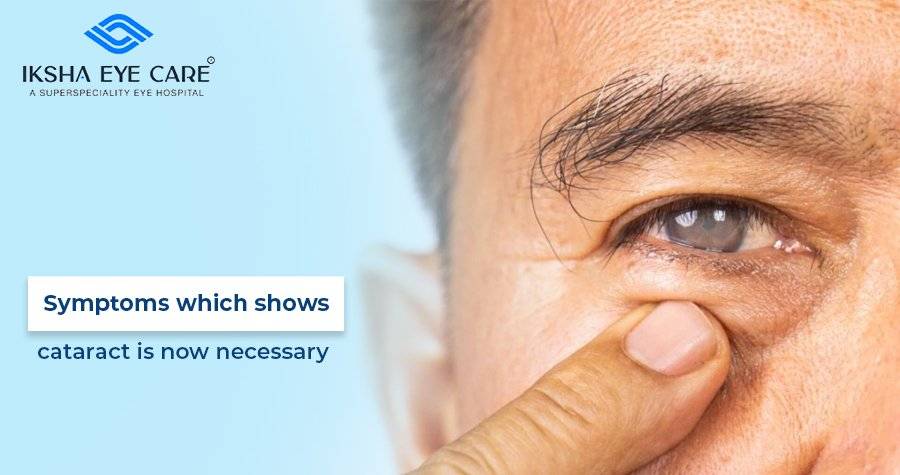
Symptoms Which Show Cataract Is Now Necessary to Treat

Cataract surgery in Mumbai

Introduction – Understanding When Cataract Treatment Becomes Essential

Cataracts are one of the most common age-related eye conditions, yet many people overlook the early symptoms. When ignored, cataracts can gradually impact daily activities like reading, driving, or even recognizing faces. The key to preserving your vision is understanding the symptoms that indicate cataract treatment is now necessary.

At Iksha Eye Care, Mumbai’s trusted eye care center, patients receive comprehensive cataract evaluations, advanced diagnostics, and modern cataract surgery options. Their expertise ensures that cataracts are detected early and treated at the right time—to prevent permanent vision impairment.

This blog explains the warning signssymptoms, and situations that clearly indicate it’s time to treat your cataract.

1. Blurred or Cloudy Vision That Keeps Getting Worse

A cataract begins when the natural lens of the eye becomes cloudy. Initially, the cloudiness may be mild but if your vision keeps getting blurry, foggy, or less sharp, it’s a major sign that cataract treatment is now necessary.

Common experiences include:

  • Seeing as if looking through a foggy window
  • Difficulty reading small text
  • Struggling to recognize faces
  • Needing more light for routine tasks

If these issues persist, a cataract evaluation at Iksha Eye Care can confirm whether surgery is needed.

2. Difficulty Seeing Clearly at Night

Night vision problems are one of the earliest indicators of cataracts.

You may notice:

  • Poor visibility while driving at night
  • Difficulty in dimly lit environments
  • Increased visual discomfort in low light

When night-time visibility becomes risky, cataract treatment may be required to restore clear vision. Iksha Eye Care provides advanced assessments to determine the severity and its impact on your daily safety.

3. Increased Sensitivity to Light and Glare

Do bright lights, sunlight, or vehicle headlights suddenly feel too intense?
This happens because cataracts scatter incoming light, making your eyes hypersensitive to brightness.

Symptoms include:

  • Pain or discomfort in bright sunlight
  • Trouble looking at screens or LED lights
  • Seeing halos around headlights

If sensitivity begins affecting your comfort or daily lifestyle, it’s a sign your cataract has progressed and needs attention.

4. Seeing Halos Around Lights

Patients often report seeing bright rings or halos around lights, especially while driving at night.
This is caused by the clouded lens refracting light improperly.

If halos appear consistently or interfere with driving, it’s time to get a cataract check from a specialist at Iksha Eye Care.

5. Frequent Changes in Eyeglass Prescription

Have you changed your glasses multiple times in one year?
This is a classic sign of cataract progression.

A cataract causes the lens to change shape and density, altering your refractive power. If your prescription doesn’t stabilize despite repeated upgrades, the issue is likely the lens not the glasses.

Iksha Eye Care offers detailed refraction and cataract diagnostic tests to confirm this.

6. Colors Appear Faded or Yellowish

Cataracts reduce color sharpness and alter color perception.
You may notice:

  • Whites looking yellowish
  • Colors appearing dull or faded
  • Reduced contrast while reading prints or labels

When color vision becomes noticeably muted, it’s a clear sign the cataract is affecting your quality of life.

7. Double Vision or Ghost Images in One Eye

Double vision in a single eye also called monocular diplopia is a significant symptom of advancing cataracts.
You may see:

  • Overlapping images
  • Ghost shadows
  • Blurred outlines

This should never be ignored and requires immediate cataract evaluation.

8. Difficulty With Routine Activities

When cataracts become advanced, they interfere with everyday tasks such as:

  • Reading books or newspapers
  • Driving safely
  • Using mobile or computer
  • Cooking or household work

If your vision issues affect your independence, it is time to consider cataract surgery.

Iksha Eye Care ensures a safe, painless, and advanced cataract surgery experience using modern phacoemulsification and premium lens implants.

9. Cataract Has Reached a “Mature” Stage

A mature cataract appears completely white or opaque. At this stage, vision becomes severely impaired.

Delaying treatment may cause:

  • Increased surgical complexity
  • Potential rise in eye pressure
  • Higher risk of complications

Iksha Eye Care recommends early detection and timely treatment to avoid reaching this stage.

10. Your Eye Doctor Recommends Surgery

The most reliable indicator that cataract treatment is now necessary is the advice of an experienced ophthalmologist.

At Iksha Eye Care, cataract surgery is suggested only when:

  • Vision affects daily life
  • The cataract has progressed significantly
  • You desire clearer, sharper vision
  • Other eye conditions could worsen with delay

Their expert cataract specialists help you carefully decide the right time for surgery.

Conclusion – Don’t Delay Cataract Treatment When Symptoms Are Clear

Cataracts progress gradually, but the symptoms become more noticeable over time. If you’re experiencing blurred vision, glare, halos, poor night vision, or repeated prescription changes, it’s important to seek evaluation promptly.

Iksha Eye Care offers comprehensive cataract assessments, advanced diagnostics, and painless, modern cataract surgery helping you regain clear, bright, and comfortable vision.

FAQs

  1. What are the main symptoms that indicate cataract surgery is necessary?Blurred vision, glare sensitivity, faded colors, poor night vision, and frequent prescription changes are common signs that cataract treatment is now needed.
  2. Does Iksha Eye Care provide cataract evaluation and surgery?Yes, Iksha Eye Care offers complete cataract diagnosis and advanced cataract surgery options with modern lens implants.
  3. Is cataract surgery painful?No, cataract surgery is painless, quick, and usually completed in 15–20 minutes using advanced techniques.
  4. Can cataracts be treated without surgery?No, surgery is the only effective treatment once cataracts begin affecting vision significantly.
  5. When should I visit an eye specialist for cataracts?Visit an eye doctor if you experience persistent blurred vision, difficulty driving at night, glare, or dull color perception.

Why LASIK Has Become a Medical Necessity – Don’t Wait Any Longer

is lasik surgery medically necessary

Introduction – LASIK Is No Longer Just a Cosmetic Choice

For years, LASIK was seen as an optional procedure something people did mainly for convenience or cosmetic reasons. But today, with digital lifestyles, long screen hours, rising eye strain, and worsening refractive errors, LASIK has shifted from a luxury to a necessity for many people.

At Iksha Eye Care in Mumbai, patients increasingly walk in with severe dependence on glasses or contact lenses, progressive refractive errors, digital eye strain, or dry eyes induced by prolonged contact lens use. For such individuals, LASIK isn’t just an enhancement it becomes a medical need for long-term visual comfort and eye health.

If you’ve been delaying LASIK, this detailed guide explains why waiting too long may actually worsen your eye problems, and how timely LASIK can protect your vision and improve your quality of life.

1. The Digital Age Is Accelerating Vision Problems

We spend more time than ever on:

  • Laptops
  • Smartphones
  • Tablets
  • Televisions

This prolonged exposure leads to:

  • Eye fatigue
  • Blurred vision
  • Headaches
  • Poor focusing ability
  • Dry eyes

For many people, refractive errors worsen due to chronic digital strain. Glasses can only compensate they don’t stop progression.

LASIK helps correct the underlying refractive error, giving your eyes relief from constantly straining behind corrective lenses.

2. Increased Dependence on Glasses Is Affecting Daily Life

If you rely heavily on glasses, you’ve likely experienced:

  • Fogging while wearing masks
  • Difficulty during workouts
  • Challenges during travel
  • Breakage or scratches
  • Limited peripheral vision
  • Constant cleaning
  • Discomfort while sleeping or resting

For many individuals, this constant inconvenience disrupts productivity and mobility.
LASIK eliminates these issues, offering freedom and clarity without dependency.

Iksha Eye Care specializes in advanced LASIK solutions tailored to a patient’s age, lifestyle, and corneal health.

3. Contact Lenses Are Not as Safe as They Seem

Many people assume contact lenses are harmless, but prolonged use may trigger:

  • Chronic dry eyes
  • Corneal infections
  • Redness and irritation
  • Allergy-related discomfort
  • Reduced oxygen supply to the cornea

These issues become severe with long-term use.
For frequent contact lens wearers, LASIK becomes a safer alternative that protects long-term eye health.

4. LASIK Helps Prevent Long-Term Complications from Refractive Errors

Untreated refractive errors can cause:

  • Eye strain
  • Headaches
  • Progressive short-sightedness
  • Poor night vision
  • Reduced work efficiency

Correcting the refractive error permanently through LASIK helps reduce dependency on corrective lenses and prevents many secondary complications caused by uncorrected vision.

At Iksha Eye Care, LASIK evaluation includes:

  • Corneal thickness check
  • Retina evaluation
  • Dry eye screening
  • Topography & tomography
  • Refractive stability assessment

This ensures that only eligible patients undergo the procedure safely.

5. LASIK Can Improve Productivity and Mental Well-Being

Poor vision directly affects performance in:

  • Office work
  • Driving
  • Outdoor activities
  • Physical fitness
  • Reading
  • Screen-based tasks

Many patients report improved confidence, comfort, and emotional well-being after LASIK because they no longer feel “restricted” by their glasses.

Clear vision plays a crucial role in:

  • Self-esteem
  • Lifestyle freedom
  • Professional efficiency

With quick recovery and minimal downtime, LASIK provides long-lasting improvement that enhances both personal and professional life.

6. LASIK Is Extremely Safe, Quick, and Technology-Driven

Modern LASIK has evolved dramatically with better accuracy and safety.
Iksha Eye Care uses advanced diagnostic tools to ensure precision and excellent results.

Key advantages:

  • Blade-free, painless procedure
  • 10–15 minute operation
  • Very fast recovery
  • Long-term safety
  • High success rate
  • Minimal complications

Most patients return to daily activities within 24–48 hours.

7. Delaying LASIK Can Make You Ineligible Later

Many people postpone LASIK for years only to discover later that they:

  • Developed thin corneas
  • Have dry eye disease
  • Developed early cataracts
  • Developed keratoconus
  • Experienced unstable power changes

Early evaluation ensures you are eligible for LASIK before age or eye-related changes disqualify you.

Waiting too long is one of the biggest mistakes most patients regret.

8. LASIK Is Now More Affordable Than Ever

Earlier, LASIK was expensive due to limited technology.
Today, with advanced machines and wider availability, LASIK has become far more affordable, safer, and more predictable.

Considering that glasses, lenses, solutions, and replacements cost money every year, LASIK often becomes a more economical long-term option.

9. Ideal for People with Active or Outdoor Lifestyles

If you are someone who:

  • Travels frequently
  • Engages in sports
  • Swims or hits the gym
  • Works in challenging environments
  • Spends long hours outdoors

LASIK offers unmatched comfort and convenience.
No more:

  • Slipping glasses
  • Sweaty frames
  • Foggy lenses
  • Broken glasses
  • Lens irritation

It helps you move freely, confidently, and safely.

Conclusion – LASIK Is Not Just an Option Anymore, It’s a Life-Improving Medical Solution

With increasing screen usage, rising refractive errors, safety issues of long-term contact lens use, and dependency on glasses, LASIK has become a medical necessity for many people not a luxury.

If you’re experiencing discomfort, lifestyle limitations, worsening power, or chronic eye strain, don’t wait any longer.

Iksha Eye Care in Mumbai offers advanced LASIK evaluation and customized vision correction for long-term clarity and comfort.

FAQs

  1. Is LASIK really a medical necessity now?
    Yes, with digital lifestyles, increasing eye strain, and worsening refractive errors, LASIK has become essential for many individuals.
  2. Is LASIK safe at Iksha Eye Care?
    Yes, Iksha Eye Care in Mumbai uses advanced diagnostics and modern LASIK technology to ensure a safe and precise procedure.
  3. How long does LASIK recovery take?
    Most patients experience clear vision within 24–48 hours.
  4. Can delaying LASIK make me ineligible?
    Yes, delaying may lead to conditions like thin corneas or dry eyes, making LASIK unsuitable later.
  5. Does LASIK eliminate the need for glasses completely?
    Most patients achieve 20/20 or near-perfect vision without glasses after LASIK.

Get 100% Cashless Facility for Eye Care Surgery

Focus on your vision - We take care of the bills.

quality is not only said its documented

Iksha Eye Care, Andheri

+91-9321489919/ +91-9137474357/ 022-26360707

Iksha Eye Care, Santacruz

+91-8591981919/ +91-9137125052/ 022-31778419