

best fruits and vegetables good for eyes

are sweet potatoes good for your eyes

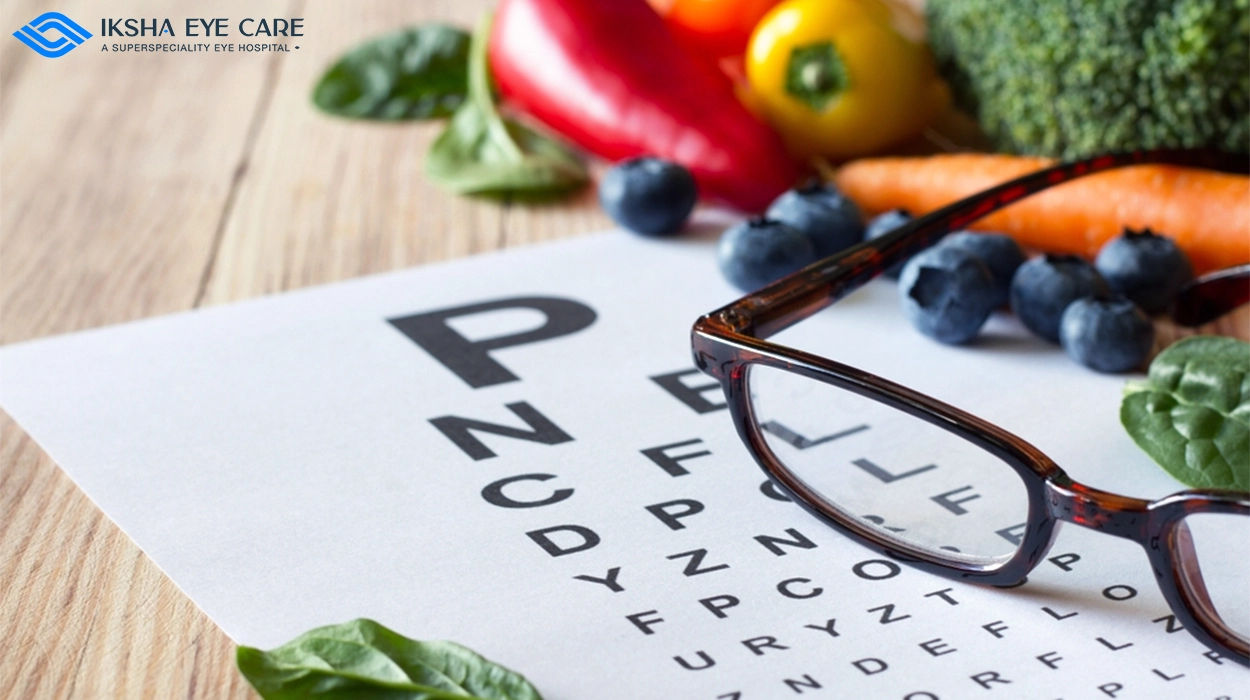
The Link Between Diet and Eye Health: Foods for Better Vision

best fruits and vegetables good for eyes

Your eyes are one of your most important senses, and it’s crucial to take care of them. One of the best ways to do this is to eat a healthy diet. Certain foods are especially good for your eyes and can help to protect them from disease and keep them functioning at their best.

Why is diet important for eye health?

The foods you eat give your eyes the nutrients they need to stay healthy. These nutrients include:

  • Vitamins A, C, and E: These vitamins are antioxidants that help to protect your eyes from damage caused by free radicals.
  • Lutein and zeaxanthin: These carotenoids are found in the macula, the central part of the retina. They help to protect the macula from damage and can reduce the risk of age-related macular degeneration (AMD), a leading cause of vision loss in older adults.
  • Omega-3 fatty acids: These fatty acids are essential for the retina’s health and the tear film. They can help to reduce the risk of dry eye syndrome and may also help to protect against AMD.

Foods for Better Vision:

Here are some of the best foods to eat for good eye health:

  • Leafy green vegetables: Kale, spinach, collard greens, and other leafy green vegetables are packed with vitamins A, C, and E, as well as lutein and zeaxanthin.
  • Citrus fruits: Oranges, grapefruits, lemons, and limes are all excellent sources of vitamin C, an essential antioxidant for eye health.
  • Carrots: Carrots are a good source of beta-carotene, which the body converts to vitamin A. Vitamin A is essential for night vision.
  • Sweet potatoes: Sweet potatoes are another excellent source of beta-carotene, as well as vitamin C and lutein.
  • Fish: Fish, especially fatty fish like salmon, tuna, and sardines, are a good source of omega-3 fatty acids.
  • Nuts and seeds: Nuts and seeds, such as almonds, walnuts, and flaxseeds, are also good sources of omega-3 fatty acids.
  • Eggs: Eggs are a good source of lutein, zeaxanthin, and vitamin A.

Sample meal plan for good eye health

Here is a sample meal plan for good eye health:

Breakfast

  • Oatmeal with berries and nuts
  • Hard-boiled eggs
  • Orange juice

Lunch

  • Salad with grilled salmon, spinach, and avocado
  • Whole-wheat bread
  • Apple

Dinner

  • Chicken stir-fry with broccoli and carrots
  • Brown rice
  • Sweet potato fries

Snacks

  • Trail mix with nuts, seeds, and dried fruit
  • Hard-boiled eggs
  • Yogurt with berries

Tips for eating a healthy diet for good eye health

  • Aim to eat a variety of fruits, vegetables, and whole grains every day.
  • Choose lean protein sources, such as fish, chicken, and beans.
  • Limit unhealthy fats, such as saturated and trans fats.
  • Avoid sugary drinks and processed foods.

Other tips for good eye health

In addition to eating a healthy diet, there are other things you can do to protect your eye health, such as:

  • Get regular eye exams.
  • Wear sunglasses outdoors to protect your eyes from the sun’s harmful UV rays.
  • Avoid smoking and excessive alcohol consumption.
  • Get enough sleep.

Conclusion

Eating a healthy diet is one of the best things you can do for your eye health. By eating various nutrient-rich foods, you can help protect your eyes from disease and keep them functioning at their best.
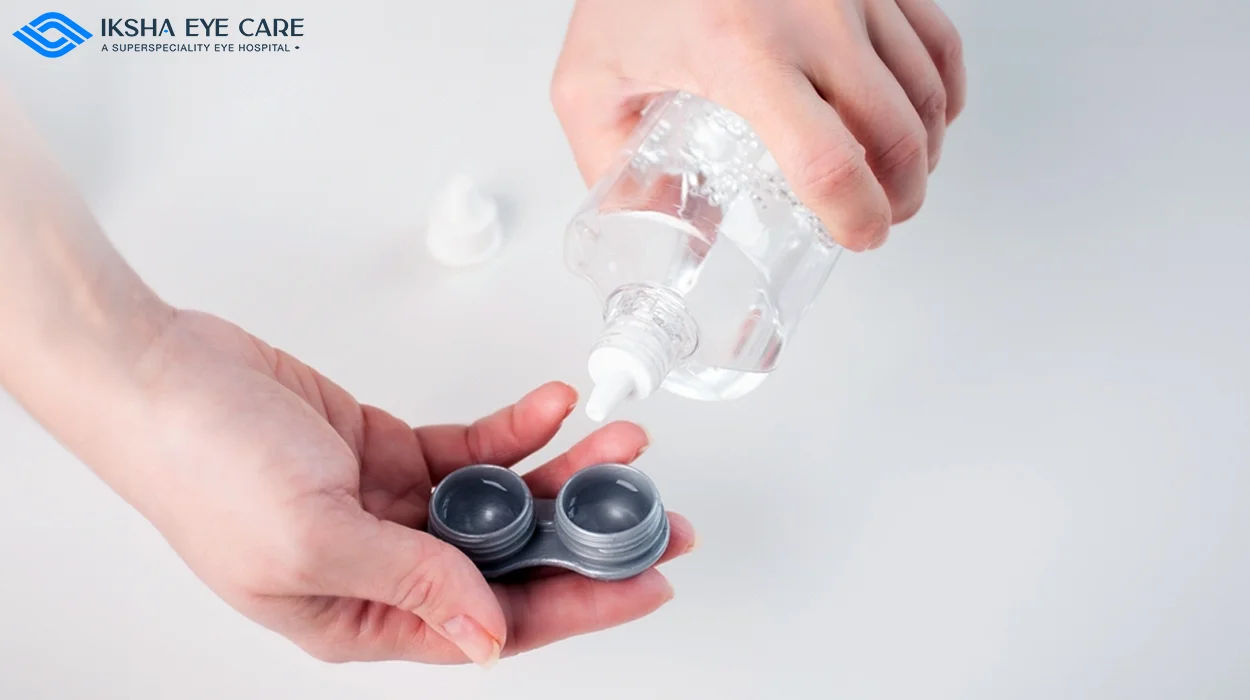
Contact Lens Care: Best Practices for Clean and Healthy Eyes

contact lens hygiene tips

Introduction
Contact lenses are a convenient and popular way to correct vision, but they require proper care and hygiene to keep your eyes healthy and comfortable. If not properly cared for, contact lenses can harbour bacteria and other irritants, leading to eye infections, inflammation, and other complications.

Why is contact lens care so important?
Contact lenses sit directly on your cornea, the clear front part of your eye. This makes them susceptible to the buildup of tears, proteins, oils, and other debris. Over time, this buildup can lead to discomfort, redness, and irritation. In addition, bacteria and other microorganisms can thrive in this environment, increasing the risk of eye infections.

Contact lens care best practices
Here are some best practices for contact lens care:

Wash your hands thoroughly with soap and water before handling your contact lenses.
This will help to prevent the transfer of bacteria and other germs to your lenses.

Use a fresh contact lens solution to clean and store your lenses.
Do not reuse old solutions or top off your answer with a new solution. This can increase the risk of bacterial contamination.

Clean your lenses daily using the rub and rinse method.
Place a few drops of contact lens solution in the palm of your hand and gently rub each lens for 10-15 seconds. Then, rinse each lens thoroughly with fresh solution.

Store your lenses in a clean, dry contact lens case.
Empty and rinse your case daily with fresh solution. Allow the case to air dry completely before storing your lenses.

Replace your contact lens case every three months.
This will help to prevent the buildup of bacteria and other contaminants.

Follow the recommended wearing schedule for your contact lenses.
Do not overwear your lenses, as this can increase the risk of eye problems.

Remove your contact lenses before swimming, showering, or bathing.
Water can contain bacteria and other microorganisms that can contaminate your lenses and lead to eye infections.

See your eye doctor regularly for eye exams and contact lens fittings.
This will help to ensure that your eyes are healthy and that your contact lenses fit correctly.

Additional tips for contact lens care:
Avoid sleeping in your contact lenses unless they are designed for extended wear.
Avoid using tap water to clean or store your contact lenses.
Do not use saliva to wet your contact lenses.
Do not use homemade contact lens solutions.
If your eyes are red, irritated, or itchy, remove your contact lenses immediately and see your eye doctor.

Common contact lens problems and how to prevent them:
Eye infections: Eye infections can be caused by bacteria, viruses, or fungi. To prevent eye infections, follow the contact lens care best practices listed above. If you develop an eye infection, see your eye doctor immediately for treatment.
Discomfort: Contact lens discomfort can be caused by various factors, including dryness, irritation, and debris buildup. To prevent contact lens discomfort, follow the contact lens care best practices listed above and use rewetting drops as needed.
Corneal damage: Corneal damage can be caused by overwearing contact lenses, sleeping in contact lenses, or wearing contact lenses that are too tight. To prevent corneal damage, follow the contact lens care best practices listed above and see your eye doctor for regular eye exams and contact lens fittings.

Conclusion
Contact lens care is essential for maintaining healthy eyes and comfortable vision. By following the best practices listed above, you can help reduce your risk of eye problems and enjoy the benefits of contact lenses for years to come.

How to Maintain Good Eye Health in Mumbai’s Air Pollution?

how to maintain good eye health?

Mumbai is one of the most polluted cities in the world, and its air quality has deteriorated in recent years. This is a significant concern for public health, as air pollution has been linked to a number of health problems, including respiratory infections, heart disease, and cancer. Air pollution can also have a negative impact on eye health. Pollution exposure can irritate the eyes, causing redness, itching, and burning. It can also increase the risk of developing more serious eye conditions, such as dry eyes, conjunctivitis, and keratitis. If you live in Mumbai, it is essential to take steps to protect your eye health from the harmful effects of air pollution. 

Here are a few tips:

1. Avoid spending time outdoors on days when the air quality is poor.

You can check the air quality index (AQI) online or on a mobile app. If the AQI is above 100, it is considered to be unhealthy, and it is best to avoid spending time outdoors.

2. Wear wrap-around sunglasses when you are outdoors.

Sunglasses can help to protect your eyes from dust, pollen, and other pollutants. They can also help to reduce the amount of UV radiation that reaches your eyes.

3. Wear a mask when you are outdoors.

A mask can help to filter out pollutants from the air. It is essential to wear a mask if you have asthma or other respiratory problems.

4. Keep your windows and doors closed when the air quality is poor.

This will help to keep pollutants out of your home.

5. Use an air purifier in your home.

An air purifier can help remove pollutants from your home’s air.

6. Eat a healthy diet.

A healthy diet can help to boost your immune system and make your eyes more resistant to infection. Make sure to eat plenty of fruits, vegetables, and whole grains.

7. Drink plenty of water.

Staying hydrated is essential for overall health, including eye health. Aim to drink eight glasses of water per day.

8. Get regular eye exams.

Even if you are taking steps to protect your eyes from air pollution, it is essential to get regular eye exams. This will help detect problems early on when they are most treatable.

Additional tips for maintaining good eye health in Mumbai’s air pollution:

  • Use artificial tears or eye drops to keep your eyes lubricated, especially if they feel dry or irritated.
  • Avoid rubbing your eyes, which can irritate them further and spread pollutants.
  • Take breaks from screens throughout the day to give your eyes a rest.
  • If you have any concerns about your eye health, be sure to see an eye doctor.

How air pollution can affect eye health:

Air pollution can affect eye health in several ways. Some of the most common effects include:

  • Irritation: Air pollutants can irritate the eyes, causing redness, itching, and burning.
  • Dry eyes: Air pollution can also cause dry eyes, which is a condition in which the eyes do not produce enough tears. This can lead to discomfort, blurred vision, and even eye damage.
  • Conjunctivitis (pink eye): Conjunctivitis is an inflammation of the conjunctiva, the thin membrane that lines the eyelids and covers the white of the eye. Air pollution can increase the risk of developing conjunctivitis.
  • Keratitis: Keratitis is an inflammation of the cornea, the clear front part of the eye. Air pollution can also increase the risk of developing keratitis.
  • Other eye conditions: Air pollution has also been linked to other eye conditions, such as cataracts, glaucoma, and age-related macular degeneration.

Conclusion
Air pollution is a significant problem in Mumbai, and it can have a negative impact on eye health. However, you can do several things to protect your eyes from the harmful effects of air pollution. Following the tips above can help keep your eyes healthy and reduce your risk of developing eye problems. If you have any concerns about your eye health, be sure to see an eye doctor. Iksha Eye Care consists of top Ophthalmologists of Mumbai who can guide you correctly on eye care and will provide more information on protecting your eyes from air pollution and other environmental hazards.

Get 100% Cashless Facility for Eye Care Surgery

Focus on your vision - We take care of the bills.

quality is not only said its documented

Iksha Eye Care, Andheri

+91-9321489919/ +91-9137474357/ 022-26360707

Iksha Eye Care, Santacruz

+91-8591981919/ +91-9137125052/ 022-31778419